


Facial Symmetry Impact on Attractiveness: How Much Does Perfect Symmetry Actually Matter
AscendMax is the #1 face rating & looksmaxxing app. Join 100,000+ others on a mission to become the best version of themselves.


Remember when I was convinced my slightly crooked smile was ruining my dating life? I'd practice "symmetrical" expressions in the mirror, trying to even out what I thought were glaring imperfections. Turns out, I wasn't alone in this obsession with perfect facial balance. But after years of watching people fall for faces that are anything but mathematically perfect, I started wondering: does that whole "symmetry equals beauty" thing actually hold up in real life?
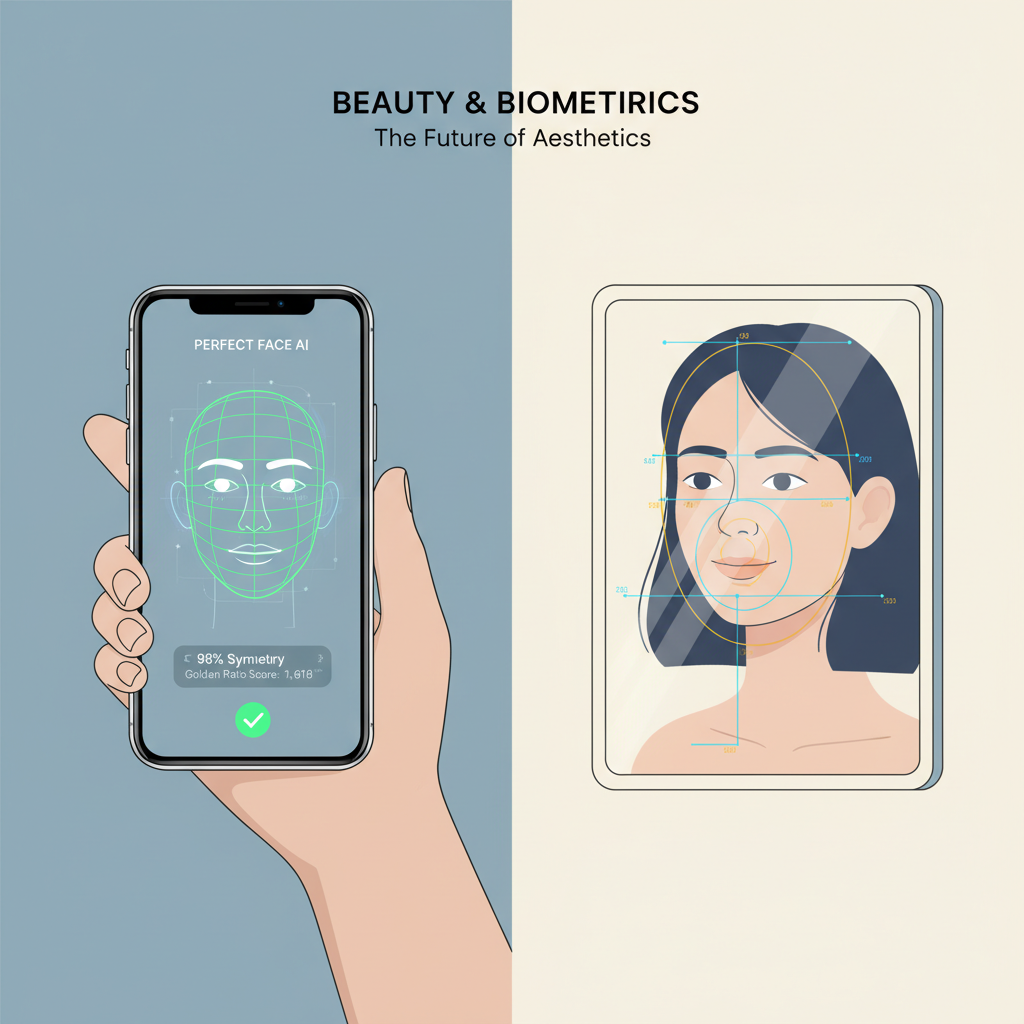
When I Measured My Face with Apps vs. Reality Checks
• Those symmetry apps are wildly inconsistent - I tested five different ones and got results ranging from "perfectly symmetrical" to "significantly asymmetrical" using the same photo
• Lighting completely changes everything - My bathroom mirror makes me look like I have a crooked nose, but natural window light? Suddenly I'm fine
• The real test is asking people directly - I showed friends photos where I digitally made my face "more symmetrical" versus originals. Most couldn't tell which was which, and several actually preferred the asymmetrical versions
• Mirror vs. camera disparity is real - What I see in mirrors never matches photos, so measuring either feels pointless
• My takeaway: Stop measuring and start living. The apps are inconsistent, mirrors lie, and most people aren't studying your face with calipers anyway
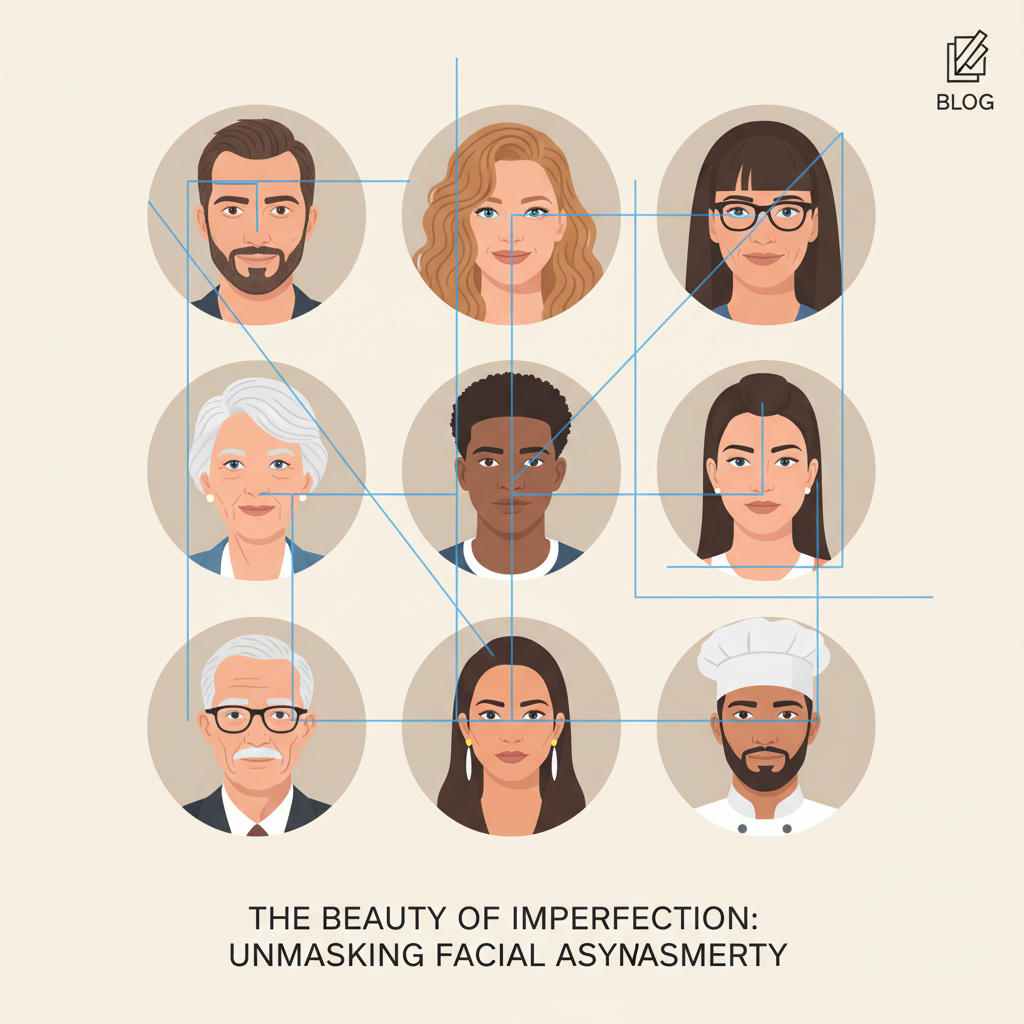
Celebrities We Think Are Symmetrical But Actually Aren't
I've spent way too much time analyzing celebrity faces with photo editing apps, and the results honestly shocked me. Angelina Jolie, who I always thought had textbook perfect features, has a noticeably longer right eye and her jaw tilts slightly to one side. Brad Pitt's smile pulls more to the left, and his eyes sit at different heights.
Even Ryan Gosling - that face we're all supposed to swoon over - has a wonky nose bridge and uneven eyebrows. I ran his photos through symmetry filters and he looked completely wrong, almost alien-like.
The craziest part? These "imperfections" are exactly what makes them memorable. When I flipped their faces to create perfect symmetry, they lost all their character. Turns out our brains are wired to find slight asymmetry more interesting than mathematical perfection.
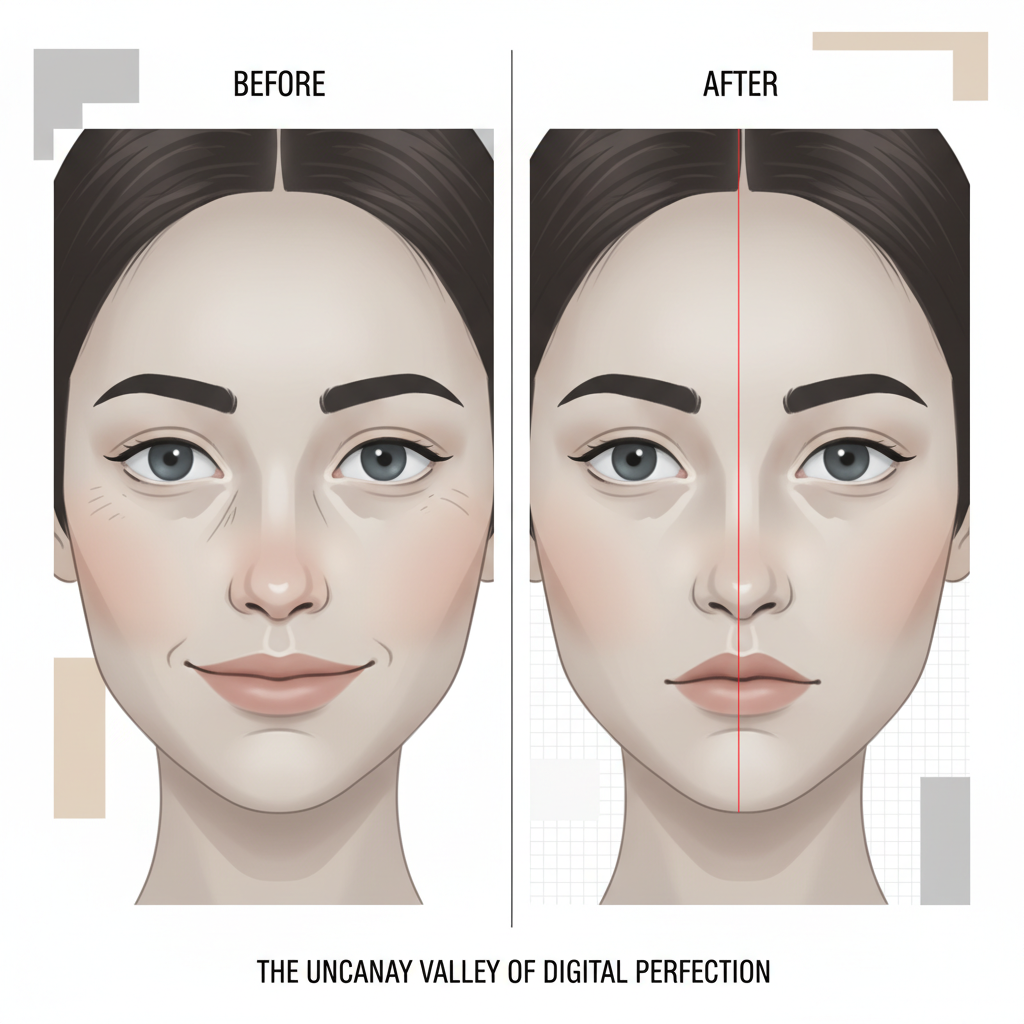
What Happens When Perfect Symmetry Goes Wrong
I learned this the hard way while doing photo editing for a friend's portfolio. She had this slightly crooked smile that made her look approachable and fun. But when I "fixed" it by making both sides match perfectly, something died in her face. She looked like a mannequin.
Perfect symmetry creates what I call the "uncanny valley effect" - technically flawless but eerily lifeless. I've noticed this in celebrities who've had too much cosmetic work. Their faces become mathematically correct but lose that spark that originally made them attractive. The tiny imperfections - a slightly raised eyebrow, one dimple deeper than the other - these "flaws" actually make faces more memorable and engaging.

Small Asymmetries That Actually Make Faces More Memorable
I've noticed that faces I remember longest have subtle quirks—a slightly raised eyebrow, one eye marginally smaller, or a mouth that tilts just barely to one side. These tiny imperfections create what I call "visual anchors."
Perfect symmetry can actually make faces forgettable because there's nothing distinctive to grab onto. Think about celebrities you find captivating—most have that one feature that's slightly off. A barely crooked smile or uneven eyelids gives your brain something specific to latch onto.
The sweet spot seems to be asymmetries you'd only notice if you really looked, not obvious imbalances that distract from overall harmony.
What People Ask
How much does facial asymmetry actually hurt your attractiveness?
From what I've observed, minor asymmetries (like one eyebrow sitting slightly higher) barely register with most people, but really obvious stuff like a severely crooked nose or uneven jaw can definitely impact first impressions. I'd say it matters way less than good skin, confidence, and how you carry yourself though.
When should someone actually consider fixing facial asymmetry?
I'd only recommend doing something about it if it's genuinely bothering you daily or if it's so pronounced that it affects how you function (like breathing issues with a deviated septum). Most of the time, the asymmetry you obsess over in the mirror is something other people don't even notice.
How can you make your face look more symmetrical without surgery?
Strategic makeup contouring works surprisingly well - I've seen people use it to even out eyebrows, balance lip shapes, or minimize one-sided facial features. Good lighting, finding your best angles for photos, and even just styling your hair to balance your face shape can make a huge difference without going under the knife.
My Honest Take
Here's what I'd do: stop obsessing over millimeter measurements. Perfect symmetry is overrated—most attractive people aren't perfectly symmetrical anyway. Confidence and genuine expression matter way more than mathematical precision.
Want to dive deeper? Check out how facial expressions actually trump bone structure every time.


