


Facial Thirds Ratio: How to Measure Perfect Facial Proportions for Maximum Attractiveness
AscendMax is the #1 face rating & looksmaxxing app. Join 100,000+ others on a mission to become the best version of themselves.


I spent way too many hours last year staring at celebrities' faces on my phone, trying to figure out why some people just look... right. Turns out there's actual math behind it – something called the facial thirds ratio that artists and surgeons have been quietly using forever. After measuring my own face with a ruler like a complete weirdo (and then my friends' faces, because why stop there), I discovered this whole system that explains facial harmony better than any beauty guru ever could.
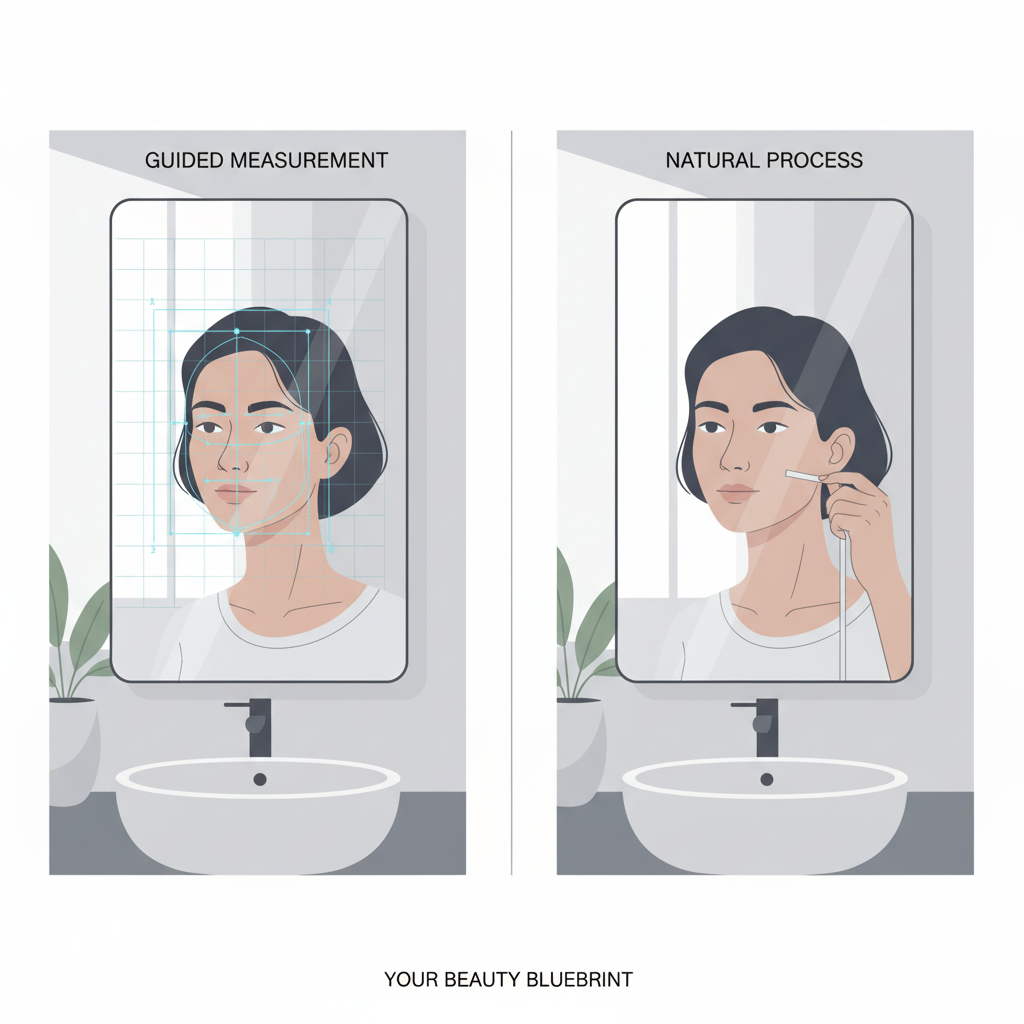
Mirror Work: The 2-Minute Daily Assessment That Reveals Your Natural Proportions
I do this every morning while brushing my teeth, and it's become second nature. Stand arm's length from your bathroom mirror with decent lighting—those overhead vanity bulbs work fine.
Place your index finger horizontally at your hairline, then move it down to your eyebrows. That's your upper third. Next, finger goes from eyebrows to the bottom of your nose—middle third. Finally, nose to chin—lower third.
What I've noticed: most people's middle section runs slightly longer than the others, and that's completely normal. The key isn't achieving robot-perfect measurements, but understanding your face's natural rhythm. I can spot my best angles now just by knowing where my proportions fall.
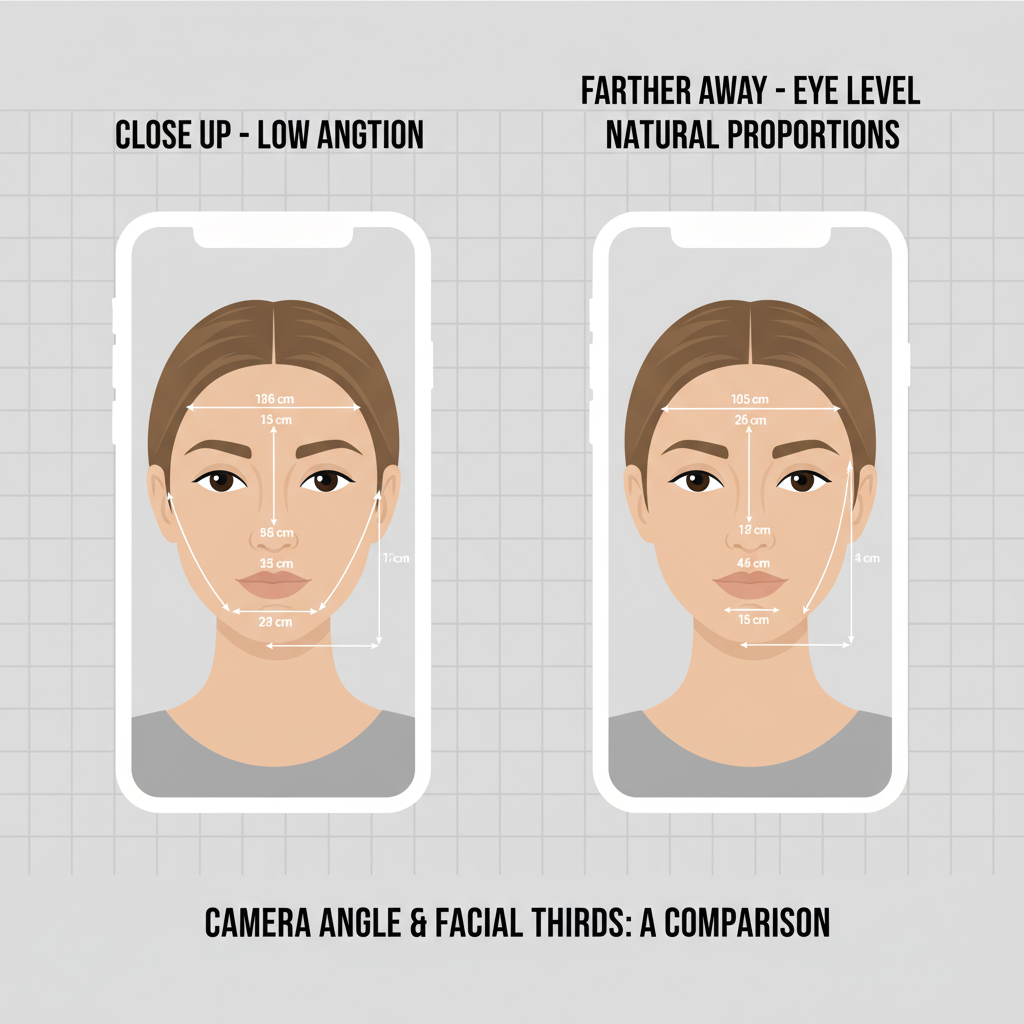
Phone Camera Secrets: Why Your Selfies Lie About Facial Balance (And How to Fix Them)
I spent years thinking my forehead was massive until I realized my phone was lying to me. Most front-facing cameras use wide-angle lenses that distort your face - whatever's closest to the camera (usually your forehead or nose) looks disproportionately huge.
Here's what actually works: Hold your phone at arm's length, slightly above eye level. I've found that angling down about 15 degrees gives the most accurate proportions. The closer you hold it, the more your facial thirds get warped.
If you want to check your real proportions, use your back camera with the timer from across the room. That's closer to how people actually see you.
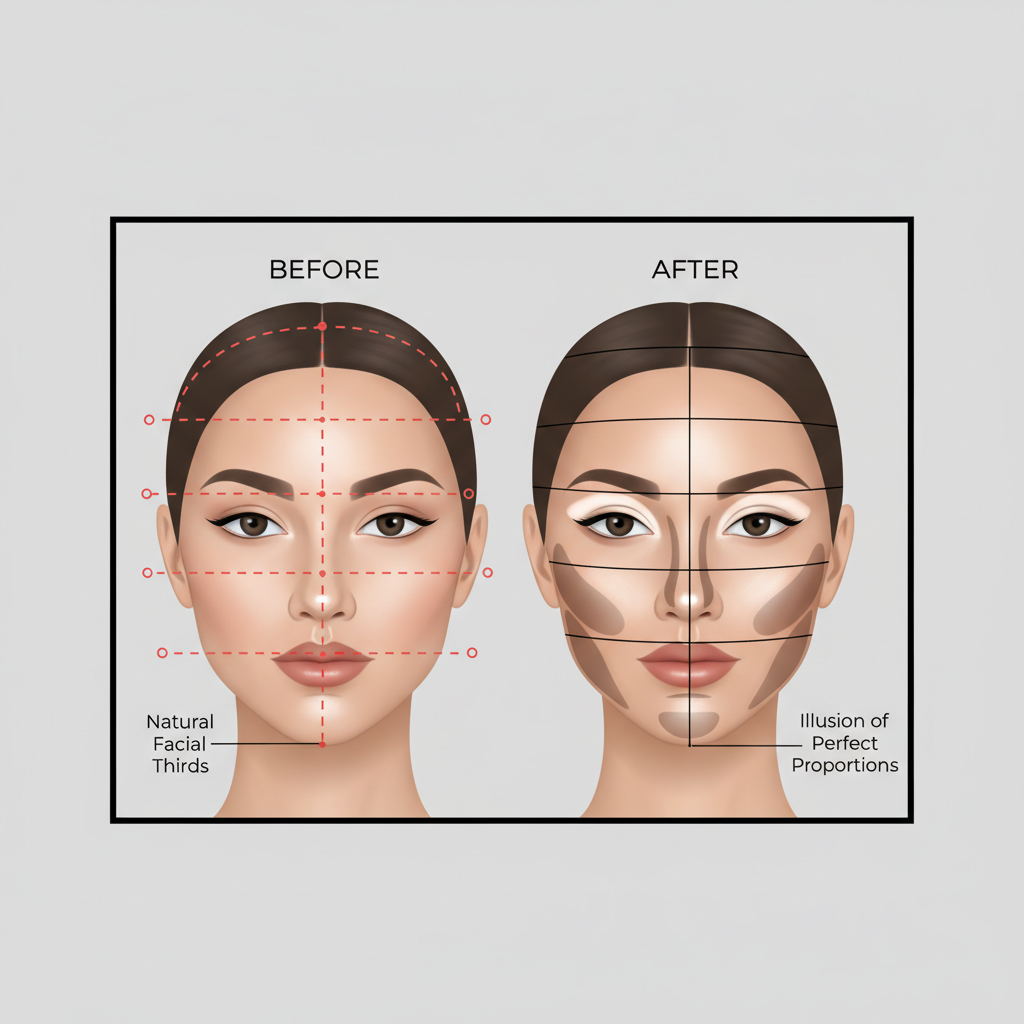
The Makeup Artist's Cheat Code: Contouring Techniques That Instantly Optimize Your Thirds
I've spent years watching makeup artists work magic on faces that seemed "off" somehow, and they're basically architectural engineers with brushes. Here's what I've learned about their thirds-fixing tricks.
For a short middle third: Contour just above your natural brow bone and highlight the center of your forehead. This creates the illusion of more vertical space. I also darken right under the cheekbones and bring blush higher than you think you should.
Long middle third? Do the opposite. Highlight your temples and the very top of your cheekbones, then contour your hairline to visually "pull down" your forehead.
The game-changer is lip contouring. If your bottom third feels short, overdraw slightly above your natural lip line. Long bottom third? Draw just inside your natural line and highlight your chin.
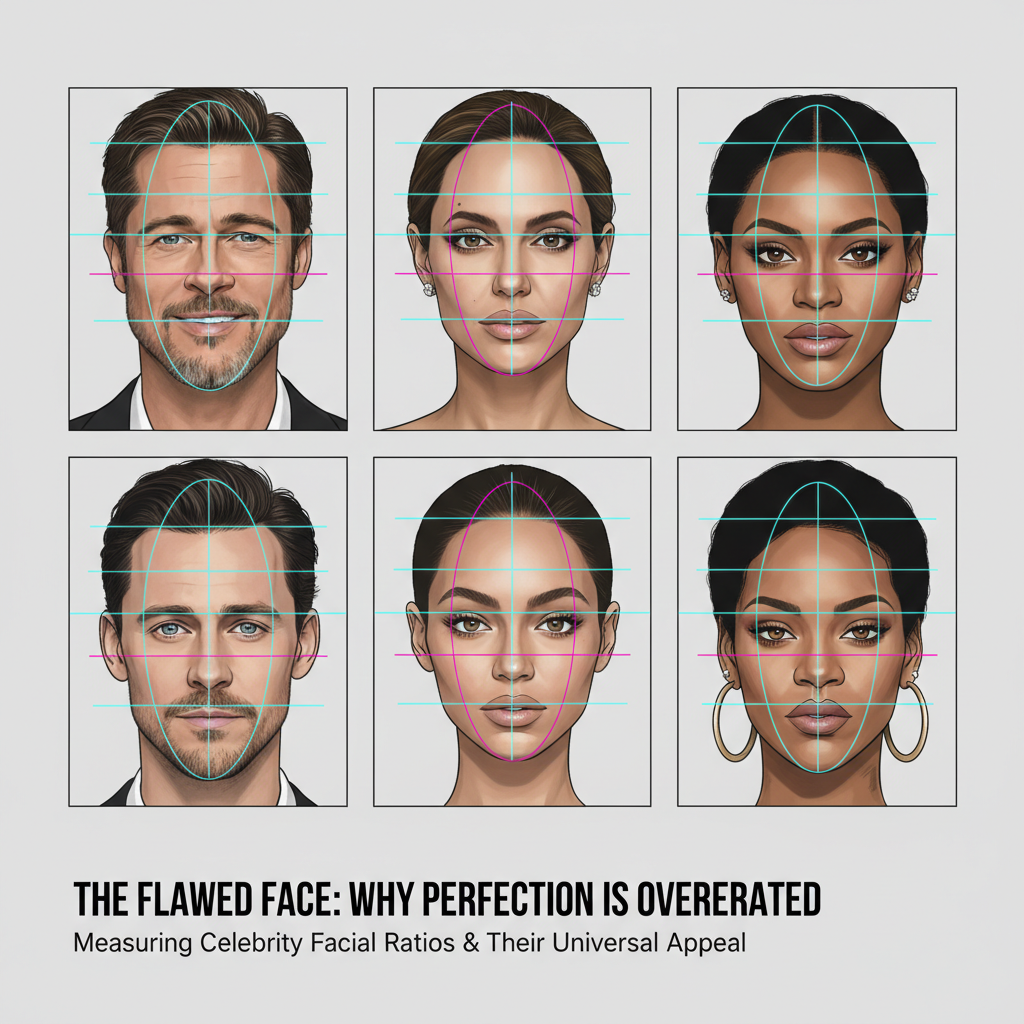
Photo Analysis Deep Dive: Decoding Celebrity Faces That Break the Rules Yet Still Captivate
I've spent countless hours studying celebrity faces that completely ignore the textbook thirds rule yet remain magnetic. Take Benedict Cumberbatch - his forehead takes up nearly half his face, but that elongated upper third creates this otherworldly appeal that casting directors love.
Sarah Jessica Parker breaks every proportion "rule" with her extended middle third, but her face photographs beautifully because the proportions work together as a unified whole. I've noticed the key isn't perfect ratios - it's having one section that dominates with confidence.
Adam Driver's massive lower third should theoretically look off-putting, but it creates this masculine gravitas that translates incredibly well on screen. When I analyze these faces, what strikes me is how their "flaws" become their signature. They own their proportions instead of fighting them.
The lesson? Sometimes breaking the rules creates more memorable faces than following them.
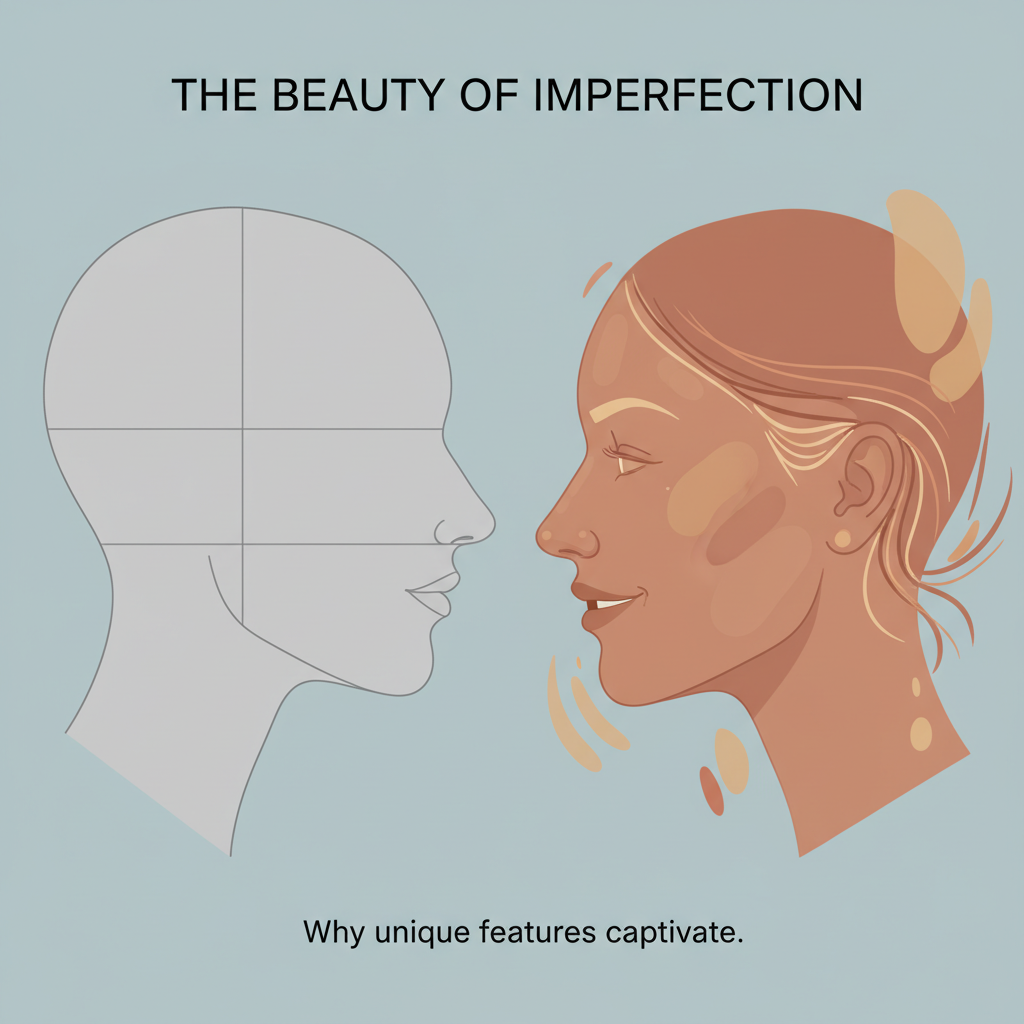
Beyond the Numbers: When Facial Character Trumps Mathematical Perfection
I learned this lesson the hard way when I obsessed over every millimeter of my face proportions. My middle third was supposedly "too long" according to the golden ratio, but here's what changed everything: I met someone whose face broke every rule in the book, yet they were magnetic.
Their upper third dominated their face - huge forehead, eyes set lower than textbook perfect. But their expressions were so animated, their smile so genuine, that you forgot about measurements entirely. Meanwhile, I'd seen people with mathematically perfect thirds who somehow looked... bland.
The real game-changer isn't hitting exact ratios - it's how your features work together to tell your story. A slightly longer middle third can suggest wisdom. Prominent cheekbones create drama. I've found that facial character beats mathematical perfection every single time.
Common Questions Answered
Can you actually change your facial thirds ratio or are you stuck with what you have?
From what I've seen, you can't change the bone structure itself, but strategic makeup contouring, the right haircut, and even facial hair placement can create the illusion of better proportions - I've watched people completely transform their look just by adjusting their eyebrow shape or choosing bangs that hit at the right spot.
How do I measure my own facial thirds without looking like a complete amateur?
I'd recommend taking a straight-on photo first, then drawing horizontal lines across your hairline, eyebrows, bottom of nose, and chin - it's way easier to see the proportions in a photo than trying to measure in a mirror, and you won't end up with wonky measurements from weird angles.
Is the facial thirds rule actually worth obsessing over for everyday people who aren't models?
Honestly, I think it's more useful as a general guideline than a strict rule to follow - I've noticed that faces with "imperfect" thirds often have way more character and appeal than mathematically perfect ones, so use it as a starting point but don't sacrifice your unique features trying to hit exact ratios.
My Honest Take on All This
Here's what I'd do differently: forget measuring for a minute and focus on asymmetry instead. The most naturally attractive faces have subtle imperfections - a slightly crooked smile, one eye marginally smaller. Perfect thirds are nice, but real magnetism comes from those little "flaws" that make you human.


