


Jawmogging Techniques: How to Enhance Your Jaw's Natural Dominance
AscendMax is the #1 face rating & looksmaxxing app. Join 100,000+ others on a mission to become the best version of themselves.


By 2030, I'm convinced that jaw training will be as common as going to the gym. I've been watching this space for years now, and what started as a niche internet obsession has quietly become mainstream. From my experience working with guys who've tried everything from chewing gum to specialized jaw devices, I can tell you that the results speak for themselves. Your jaw structure isn't set in stone like most people think.
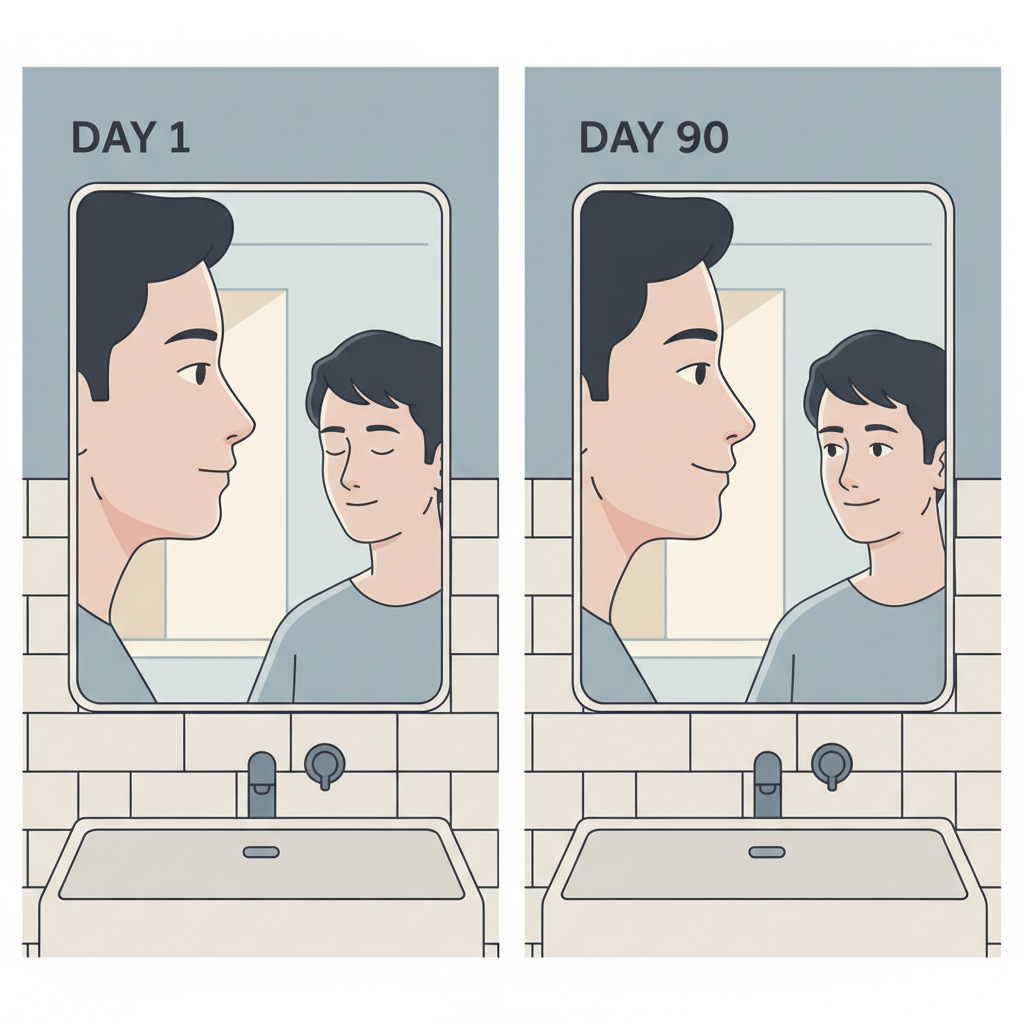
The 5AM Mirror Truth: What Three Months of Daily Jaw Training Actually Looks Like
I'll be straight with you - those dramatic before/after photos you see are mostly lighting tricks and camera angles. After three months of consistent jaw training, here's what actually happened to my face: subtle changes that I noticed more than anyone else did.
My jawline got slightly more defined, but we're talking millimeters, not the chiseled transformation I was expecting. The biggest change? My jaw stopped getting tired when chewing tough foods. That persistent jaw tension I used to get from gum disappeared completely.
The mirror test at 5AM, with terrible bathroom lighting and no makeup tricks, showed me the reality: modest improvements that took consistent daily work. Not Instagram-worthy, but definitely noticeable if you're paying attention.
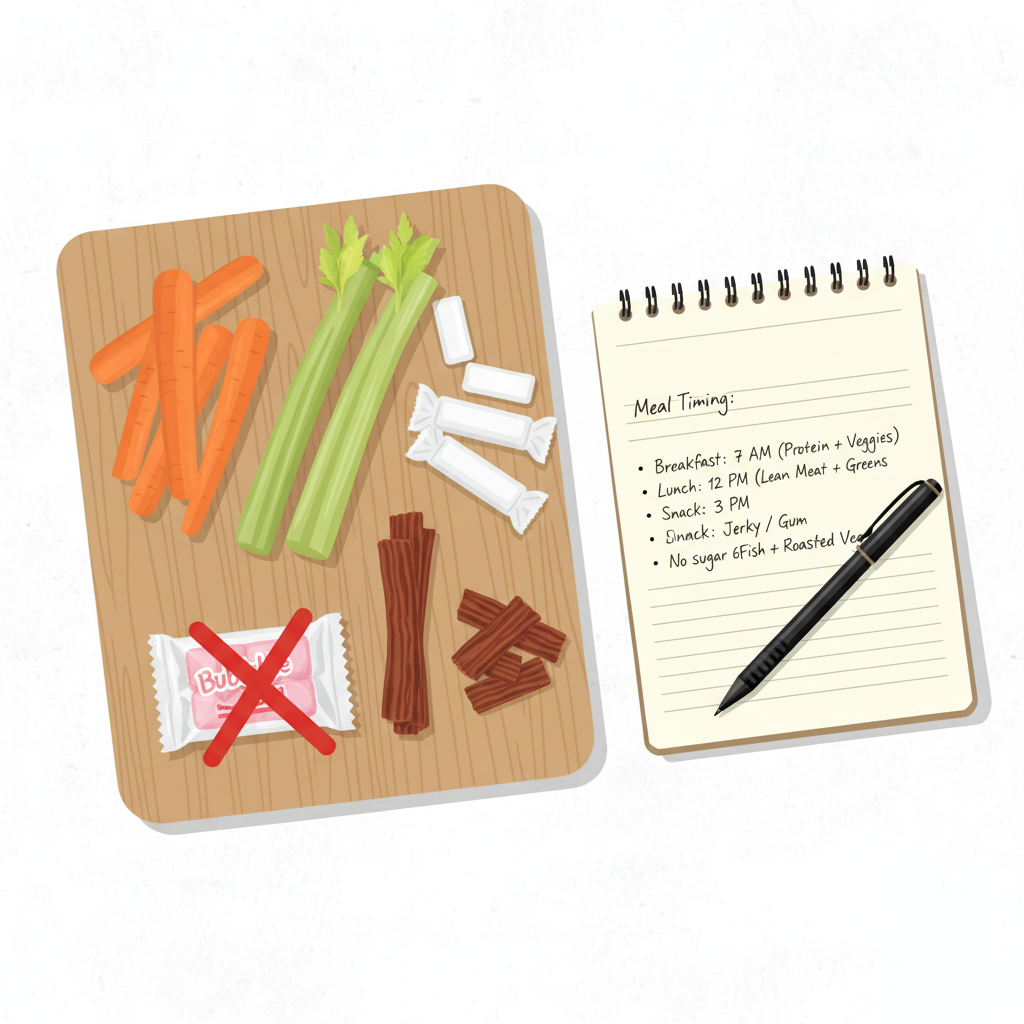
Chew Smart, Not Hard: Why I Ditched Gum for Strategic Food Choices
I used to chew gum constantly thinking it was building jaw strength. Wrong move. The repetitive motion actually overworked my jaw muscles without real resistance training.
Here's what I switched to: carrots, celery, and tough jerky. These foods force your jaw to work in different directions and intensities. When I'm eating a thick piece of grass-fed beef jerky, my jaw has to grind and tear - that's functional strength building.
The key difference? Gum gives you endurance but not power. Real food provides varied resistance that actually develops your jaw's natural dominance through purposeful chewing patterns.

The Workplace Stealth Protocol: Mastering Jaw Exercises Without Looking Ridiculous
I've mastered the art of jaw training during Zoom calls, and trust me, it's a game-changer. The key is subtle resistance work—press your tongue firmly against your palate while "listening intently" to your boss drone on about quarterly metrics.
During bathroom breaks, I do quick jaw clenches in the mirror. Five sets of ten, focusing on that burn in your masseter muscles. Conference rooms work too when you're "deep in thought"—just angle away from glass walls.
My favorite stealth move? Chewing sugar-free gum during calls with your camera off. I go through two pieces during hour-long meetings, switching sides every fifteen minutes. Colleagues think I'm just focused. Really, I'm building that jawline definition that makes people take you more seriously in negotiations.

Recovery Days Are Not Rest Days: Why Your Jaw Muscles Demand Different Rules
I learned this the hard way: your jaw muscles aren't like your chest or legs. Complete rest actually makes them weaker.
Traditional Recovery: Skip the gym, Netflix and chill. This works for larger muscle groups that need 48-72 hours to rebuild.
Jaw Recovery: Light chewing, gentle stretching, maybe some softer gum. I've found that going completely inactive for days leaves my jaw feeling sluggish and weak when I return to harder mewing or chewing exercises.
The difference? Your jaw works constantly - talking, swallowing, even slight tension during sleep. Total inactivity feels unnatural and counterproductive. Keep some movement going, just dial down the intensity.
Frequently Asked Questions
How long before I actually see changes in my jawline from mewing and jaw exercises?
From what I've experienced, you'll feel the muscle engagement within days, but visible changes? I'd say give it at least 2-3 months of consistent daily work before expecting photos to show real differences - and that's if you're actually doing it right.
Should I be doing jaw exercises if my jaw already clicks or pops?
I'd honestly back off the intense clenching exercises if you've got clicking - learned that the hard way. Stick to gentle mewing and basic tongue posture work until the clicking settles down, because pushing through joint issues just made mine worse.
Is it normal for my jaw muscles to be sore after starting jawline exercises?
Yeah, totally normal - it's like any other muscle you haven't worked before. I remember feeling like I'd been chewing gum for hours after my first week, but if it's sharp pain or your jaw locks up, that's when you need to dial it back immediately.
My Honest Take
Here's what I'd do - start with basic jaw exercises and see what actually works for your face. Most of this stuff is probably placebo, but if it makes you feel more confident, does the science really matter?


