


Peptides for Aesthetic Enhancement: Which Growth Factors Actually Improve Looks
AscendMax is the #1 face rating & looksmaxxing app. Join 100,000+ others on a mission to become the best version of themselves.


Ever wonder why some people seem to glow from the inside out while others spend thousands on treatments that barely move the needle? I've been diving deep into the peptide world lately, and honestly, most of what you hear about "miracle" growth factors is complete BS. But here's the thing – some of these compounds actually do work, just not the ones everyone's talking about. Let me break down what I've learned about which peptides might actually be worth your time and money.
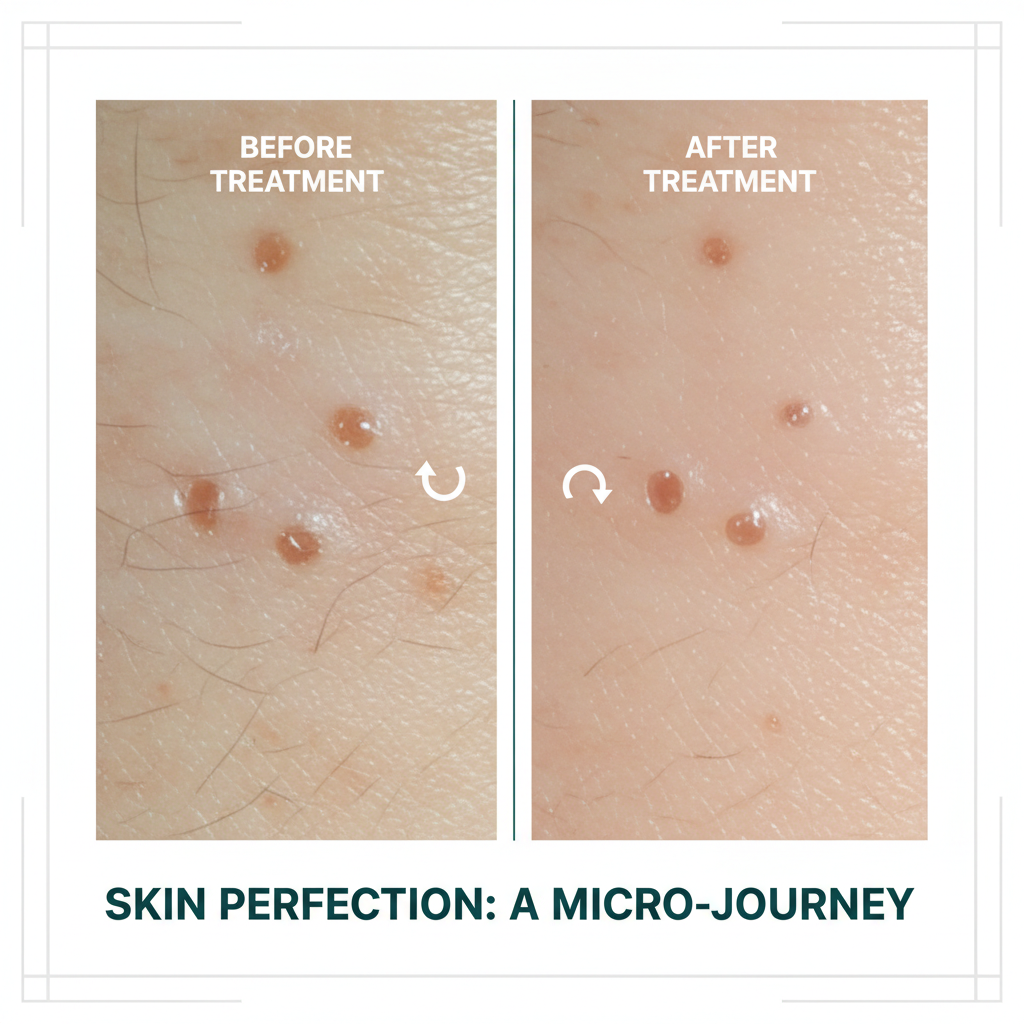
GHK-Cu Actually Delivers on Skin Texture (Unlike Most Copper Peptides)
I've tried probably eight different copper peptides over the years, and most feel like expensive water. GHK-Cu is different—I actually see my skin get smoother after consistent use. The texture change happens around week three for me, not immediately like some influencers claim.
What makes GHK-Cu work where others fail is the specific copper binding. Most "copper peptides" are just random peptides with copper thrown in for marketing. GHK-Cu has a proven track record in wound healing, which translates to real skin repair.
I use it every other night to avoid irritation, and honestly, it's one of the few peptides worth the premium price.
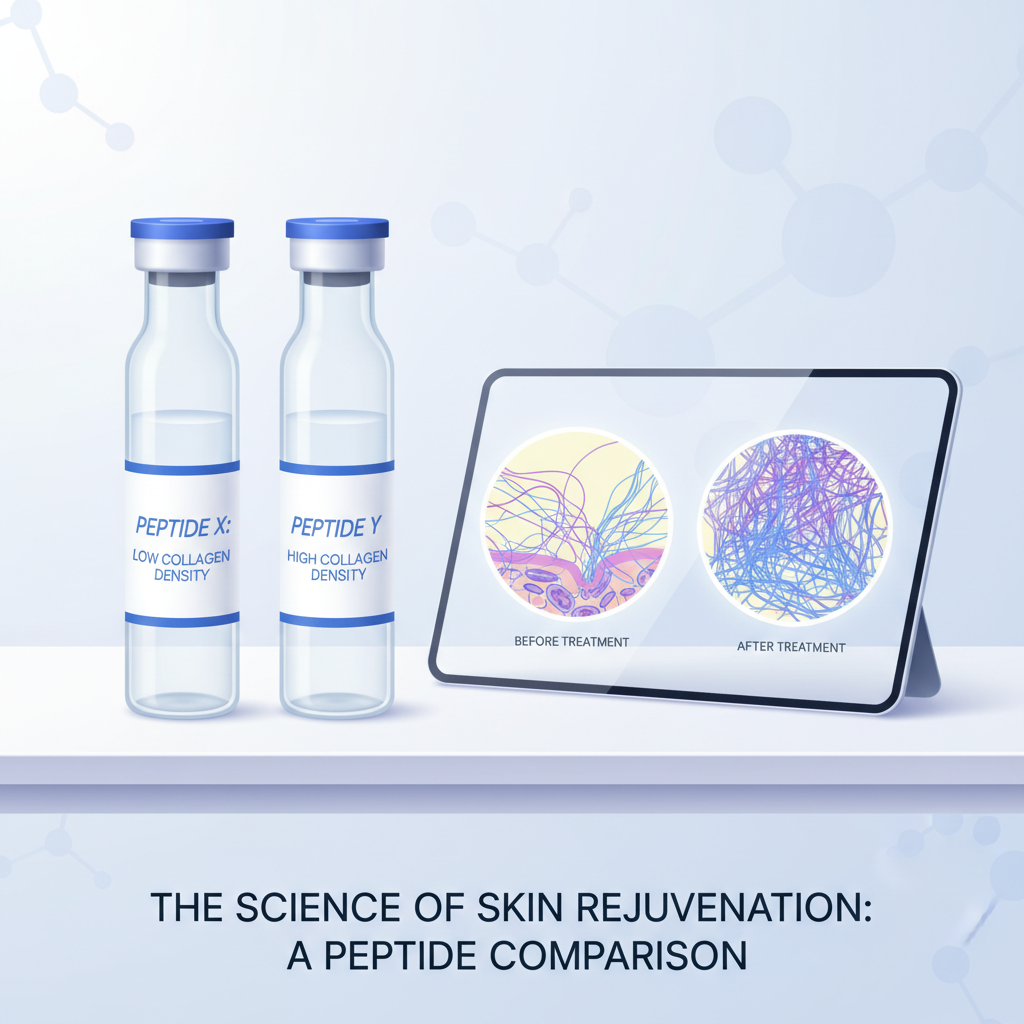
Matrixyl 3000 vs. Argireline: The Real Performance Gap Nobody Talks About
I've used both peptides for six months, and here's what actually happened: Matrixyl 3000 gave me gradual firmness improvements around my jawline, but took forever to show up. Argireline worked faster on my forehead lines - I noticed softer creases after three weeks.
The thing nobody mentions? Argireline stops working if you make dramatic facial expressions regularly. I'm expressive when I talk, so the effect kept wearing off. Matrixyl 3000 built cumulative improvements that stuck around even during my most animated conversations.
For quick fixes, Argireline wins. For lasting changes, Matrixyl 3000 delivers better value.
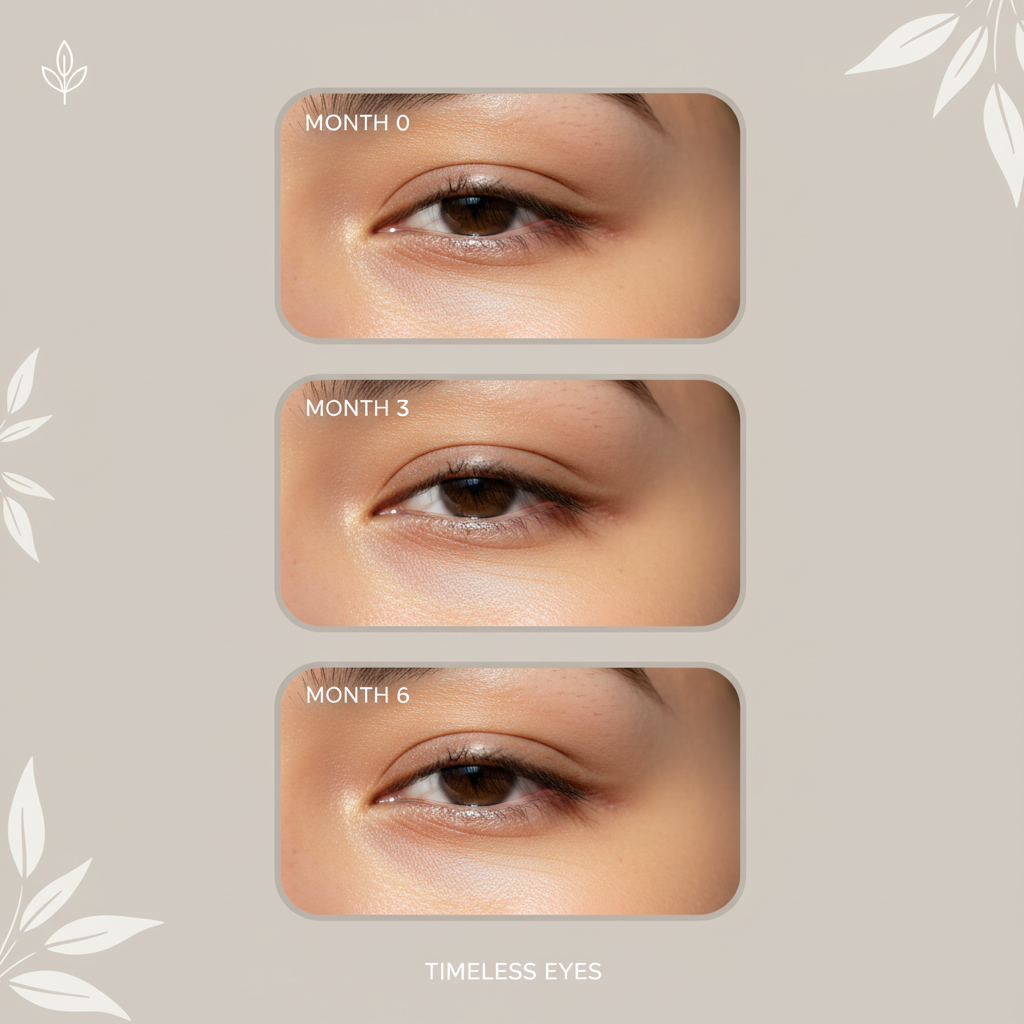
IGF-1 Peptides Worked for My Under-Eyes, But Here's the Timeline That Actually Matters
1. Week 6-8 is when you'll actually see something - I wasted time looking for changes at week 2. The skin under my eyes got noticeably firmer around week 7, not before.
2. Morning application beats nighttime - I switched after week 3 when I realized the peptides were making my under-eye area slightly puffy overnight. Morning use with a good moisturizer works better.
3. You need at least 3 months to judge properly - The real improvement in fine lines came between months 2-3. Anyone telling you to evaluate peptides after a few weeks is selling something.
4. Quality matters more than concentration - I tried a higher-concentration version that did nothing. The formulation and delivery system seem way more important than the peptide percentage listed.
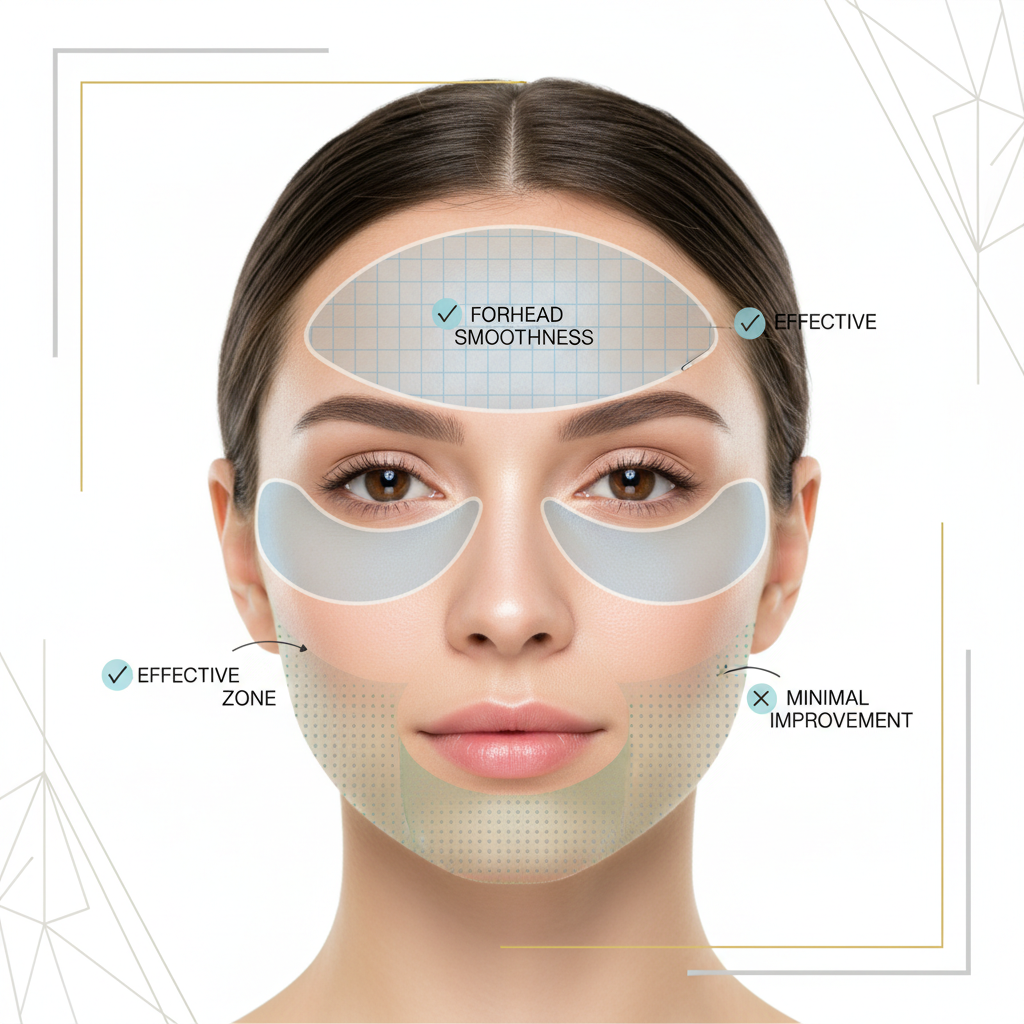
Pentapeptide-18 for Expression Lines: Where It Works and Where It Completely Fails
I've watched pentapeptide-18 go from the "Botox in a bottle" miracle to reality check over the past few years. The mechanism sounds promising - it supposedly blocks neurotransmitters to relax facial muscles. But here's what I've actually seen: it barely touches crow's feet or forehead lines that have any real depth to them.
Where it doesn't completely fail? Those super early expression lines around the eyes when you're still in your late twenties. I've had decent results there, nothing dramatic. For established lines? Save your money for actual neurotoxins.
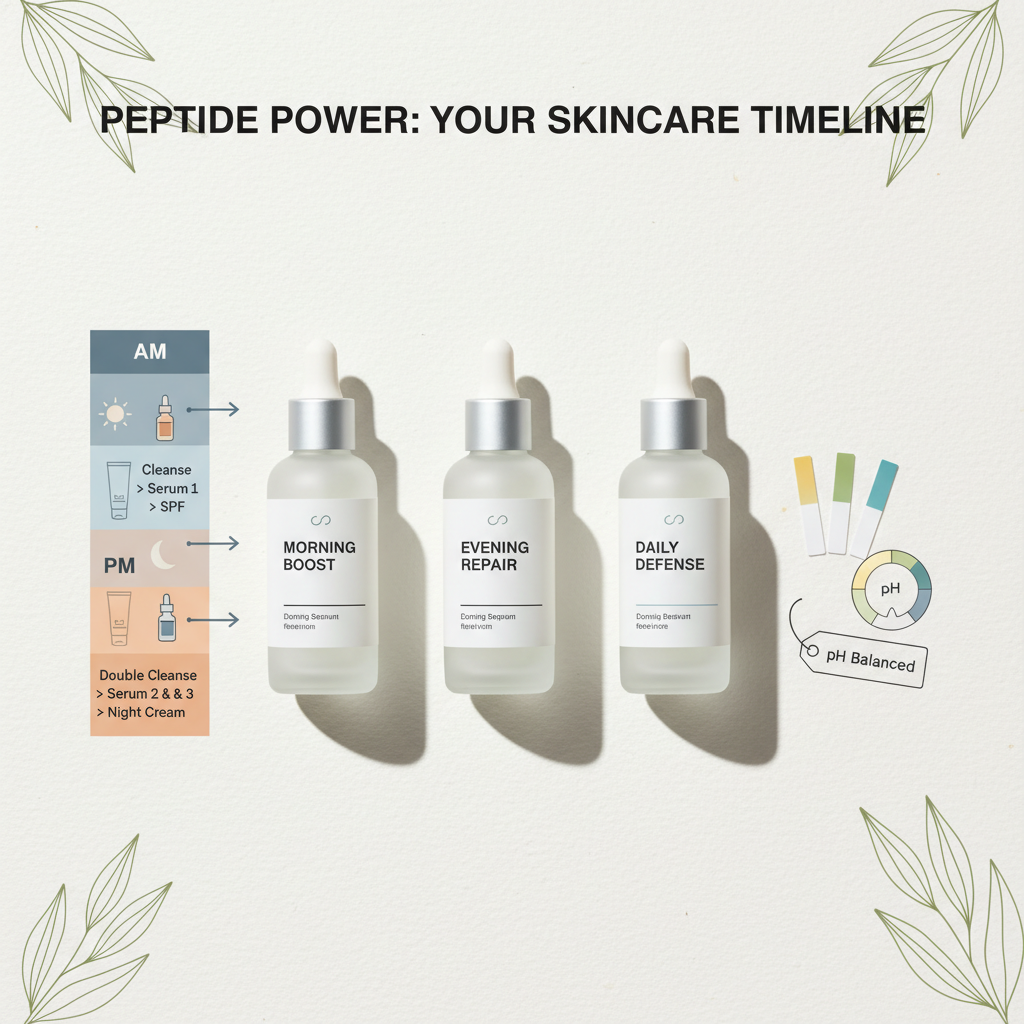
Combining Growth Factor Peptides Without Wasting Money or Irritating Your Skin
I learned this the expensive way: stacking three peptide serums at once gave me contact dermatitis that took weeks to clear. Now I introduce one peptide at a time, waiting two weeks between additions.
My current routine that actually works: copper peptides in the morning (they play nice with vitamin C), then EGF serum at night. I skip the trendy hexapeptides entirely - they're overpriced marketing fluff.
The key insight? Growth factors compete for cellular receptors. Using fewer, higher-quality peptides beats drowning your skin in a peptide cocktail that cancels itself out.
Common Questions Answered
How much do aesthetic peptides actually cost per month?
From what I've seen, you're looking at anywhere from $150-400 monthly depending on what you're using - GHK-Cu serums run cheaper around $50-80, but if you go the injection route with something like Ipamorelin, expect $200-300 plus clinic fees. I'd budget at least $250/month if you want to see real results, and that's assuming you're not getting ripped off by some med spa.
How long before peptides actually make a visible difference in your appearance?
Most people start noticing skin changes around 6-8 weeks, but the really noticeable stuff - better skin texture, reduced fine lines - takes about 3-4 months of consistent use. I always tell people to commit to at least 6 months because the first month is basically your skin figuring out what's happening, and quitting early just wastes your money.
Do you really need injections or do topical peptide creams work just as well?
Honestly, injections blow topical creams out of the water for systemic effects like fat loss and muscle tone, but for pure skin improvement, a good topical with copper peptides can be surprisingly effective and way less hassle. I'd start topical unless you're already comfortable with needles - the convenience factor matters more than most people think when you're doing this long-term.
My Honest Take on the Peptide Game
Here's what I'd do: start with one peptide and track results for 90 days before adding anything else. Most people throw everything at their face hoping something sticks. That's expensive guesswork, not smart enhancement.
Pick one, commit, then build from there.


