


Testosterone Levels by Age: What's Normal and When to Consider Optimization
AscendMax is the #1 face rating & looksmaxxing app. Join 100,000+ others on a mission to become the best version of themselves.


This might be unpopular, but I think we've overcomplicated testosterone conversations to the point where most guys have no clue what's actually normal for their age. I've watched friends in their thirties panic over numbers that are perfectly fine, while others dismiss genuinely concerning drops as "just getting older." The truth is, testosterone optimization isn't about chasing some mythical peak—it's about understanding what healthy looks like at different life stages and recognizing when something's actually worth addressing.
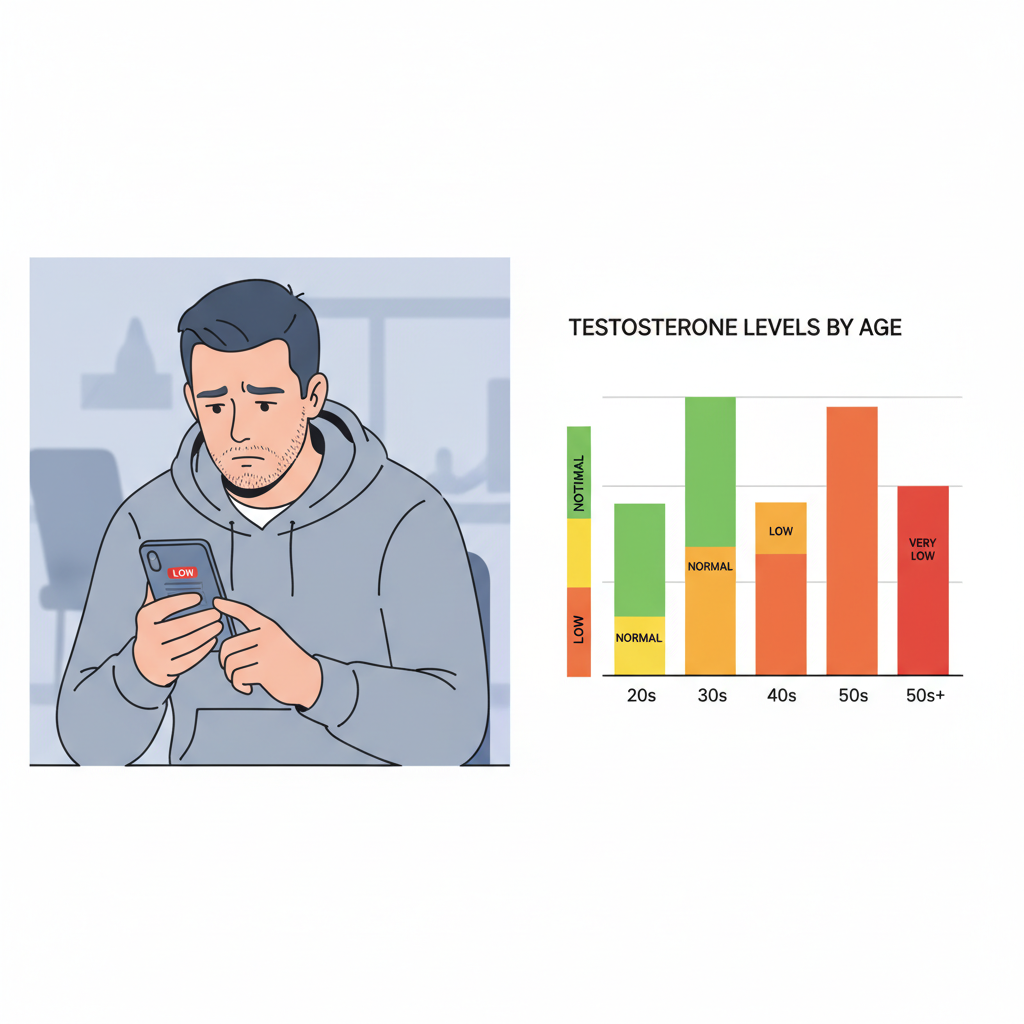
My 300 ng/dL Wake-Up Call: Decoding Test Results Across Decades
When I hit 300 ng/dL at 35, I felt like garbage but didn't know why. Here's the mental model that saved me: think of testosterone ranges like a bell curve stretched across decades.
Your 20s might cruise at 700-900 ng/dL. By 40, you're looking at 500-700 if you're lucky. The "normal" range of 300-1,000 is useless—it includes 80-year-olds alongside college athletes.
I learned to track my trajectory, not just the snapshot. A 45-year-old at 400 ng/dL dropping 50 points yearly needs attention, even if labs say "normal."
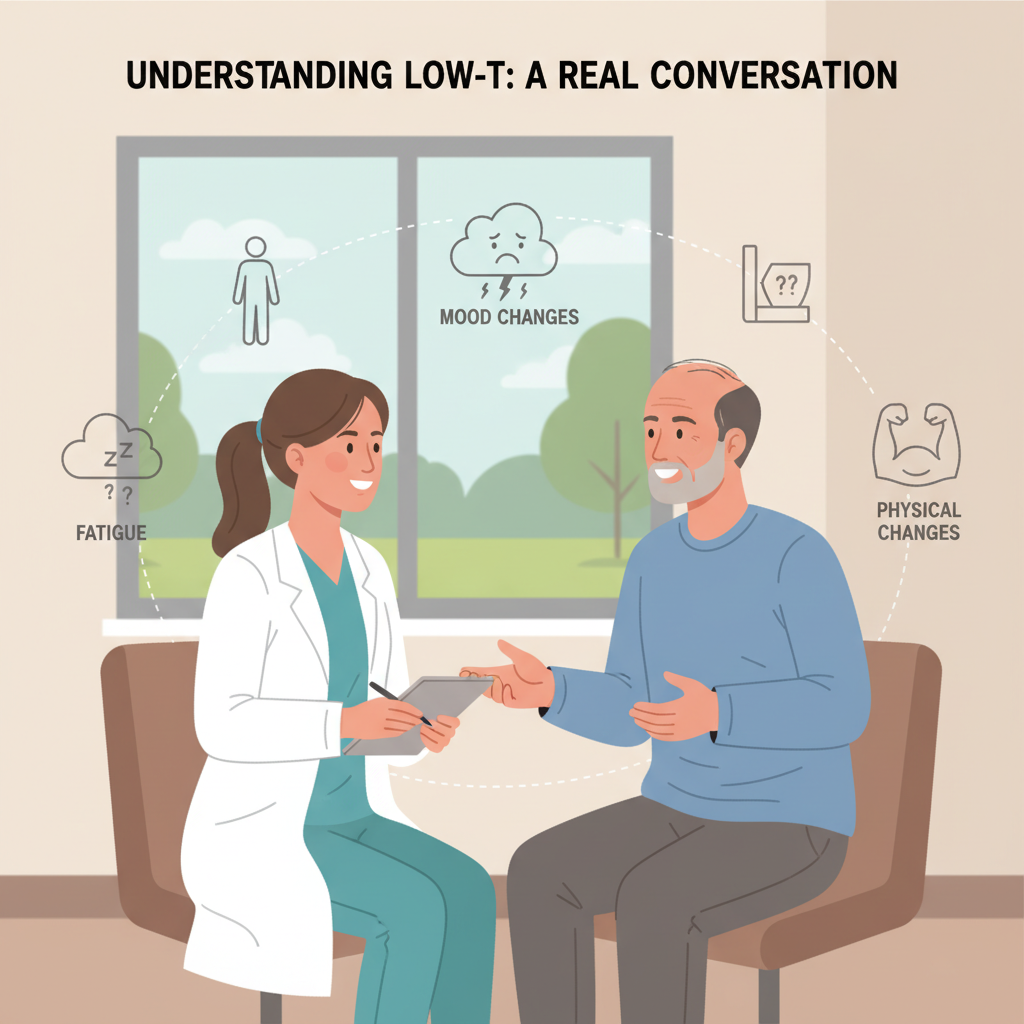
Beyond the Numbers Game: Real Symptoms vs Lab Values That Actually Matter
I've seen guys obsess over hitting 800 ng/dL when they felt amazing at 450. Here's what I've learned matters more than the number on your lab report.
Your morning energy tells the real story. If you're dragging yourself out of bed despite "normal" testosterone, something's off. I pay attention to recovery between workouts - when my levels were tanking, I'd feel wiped for days after sessions that used to be routine.
Sleep quality is huge. Not just duration, but whether you wake up feeling restored. Libido changes are obvious, but mood stability matters just as much. I've found that irritability and brain fog often show up before the classic low-T symptoms.
The best doctors I've worked with focus on symptom clusters, not just whether you hit some arbitrary reference range.
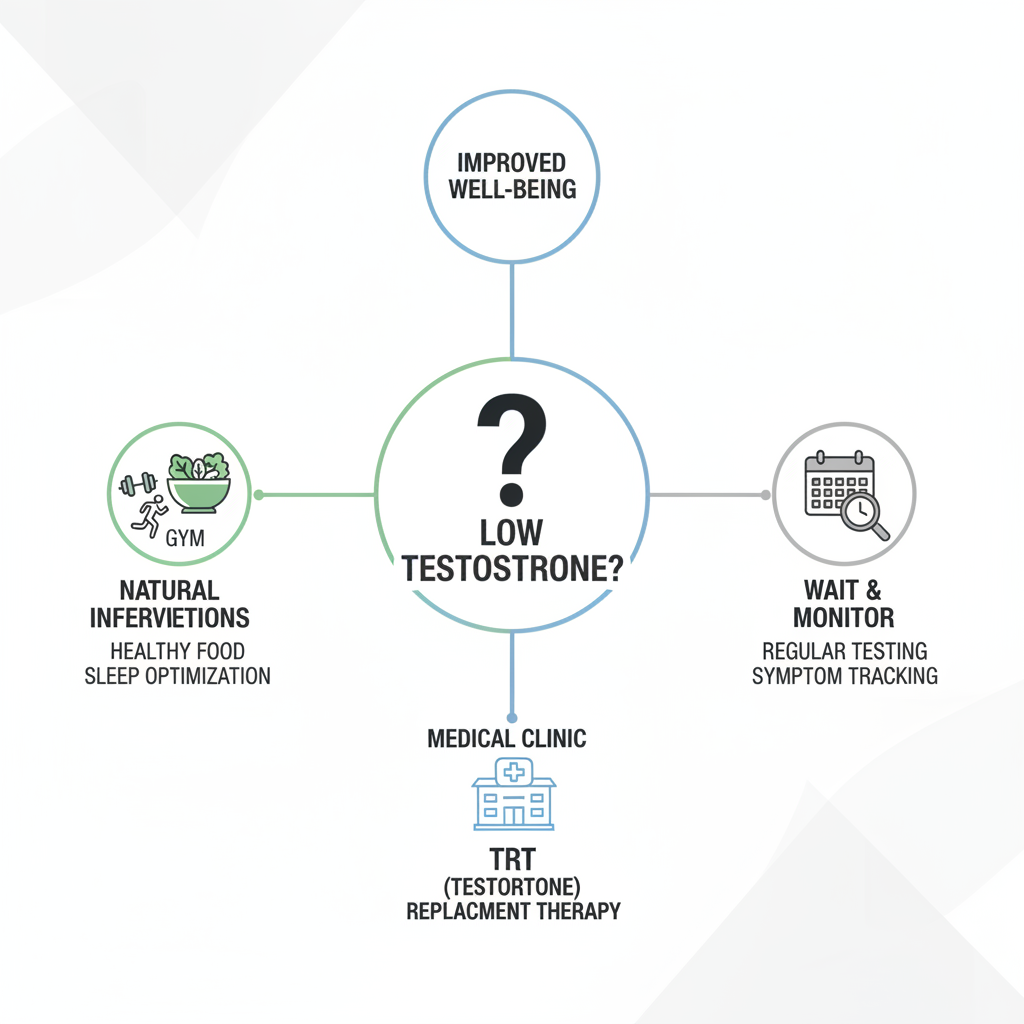
Three Paths Forward: Natural Optimization, TRT, or Strategic Waiting
Tier 1: Natural First (Most guys under 35 with levels above 350) I always tell guys to exhaust the basics before considering anything else. Fix your sleep—I'm talking 7+ hours consistently. Get your body fat under 20%. Lift heavy things regularly. Cut the processed junk. I've seen guys jump 200+ points just from getting serious about these fundamentals.
Tier 2: TRT Consideration (Usually 40+ with persistent low symptoms) If you've done the natural work for 6+ months, levels are consistently under 300, and you feel like garbage despite good habits, TRT might make sense. I went this route at 42 after two years of trying everything else. Game-changer, but it's a lifetime commitment.
Tier 3: Strategic Waiting Sometimes the timing just isn't right. Major life stress, relationship issues, or financial constraints can all be valid reasons to hold off and revisit in 6-12 months.
Your Questions, Answered
Why do I feel tired all the time even though my testosterone is "normal" according to my doctor?
Here's the thing - "normal" ranges are huge, typically 300-1000 ng/dL, so you could be at 320 and technically normal but feeling like garbage because that's low for you. I've found that how you feel matters way more than whether you fall within some lab's broad reference range, especially if you're on the lower end.
Should I get my testosterone checked in the morning or does it not really matter?
Always get it done in the morning, ideally between 7-10 AM - I learned this the hard way when my afternoon test came back low and freaked me out. Your T levels naturally drop throughout the day, so that afternoon reading might make you think you need treatment when you're actually fine.
Here's What I'd Actually Do
My take? Track your levels annually after 30, but don't obsess over the numbers. If you're feeling off despite "normal" results, trust your body and find a doc who listens. The real optimization happens through sleep, lifting heavy, and managing stress—bloodwork just confirms you're on track.


