


Upper Body Proportion Ideals: The Mathematics Behind Attractive Male Physiques
AscendMax is the #1 face rating & looksmaxxing app. Join 100,000+ others on a mission to become the best version of themselves.


What most people don't realize is that I spent years wondering why some guys just looked "right" even when they weren't particularly muscular. I'd see this dude at my gym who was maybe 170 pounds soaking wet, but somehow had this presence that made the 220-pound meatheads look awkward by comparison. Turns out, it's all about proportions - and there's actual math behind what makes a male physique genuinely attractive versus just big.
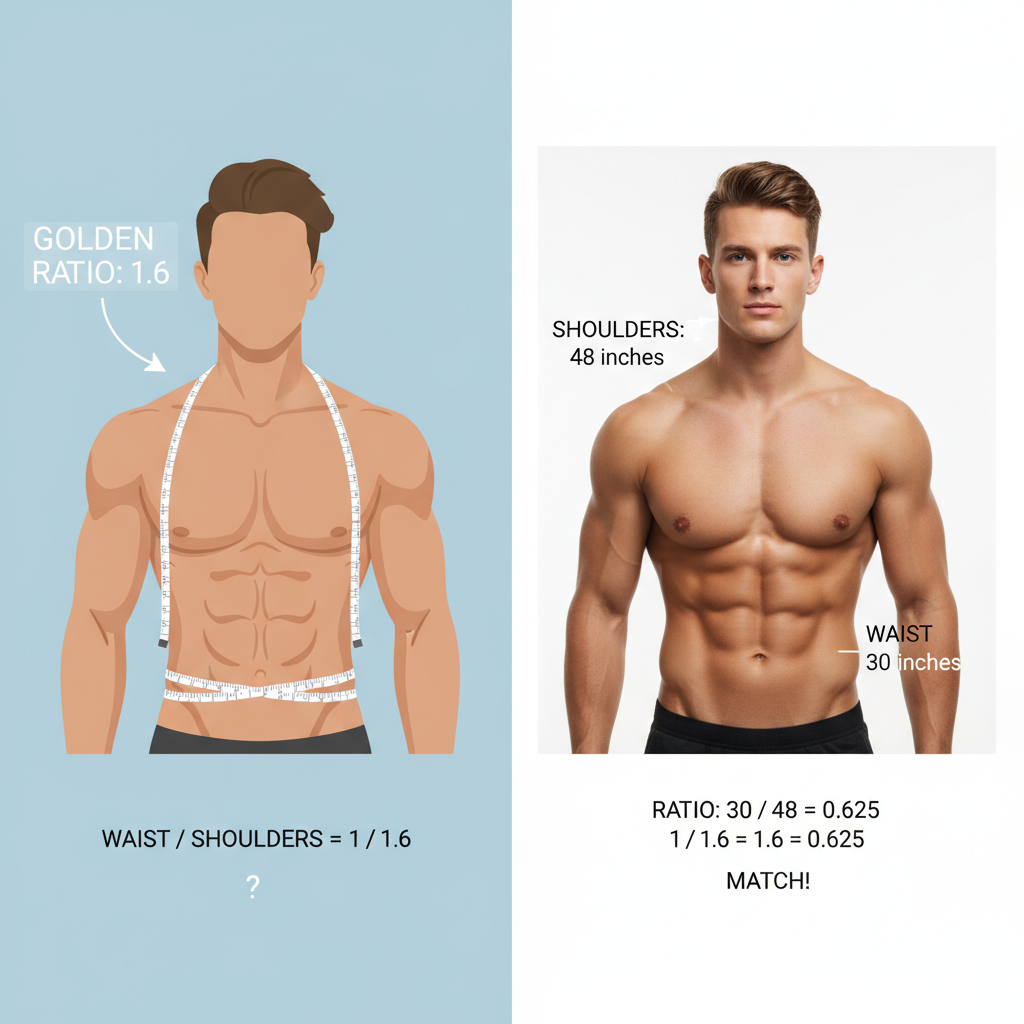
Shoulder-to-Waist Ratios That Actually Matter: The 1.6 Golden Rule vs Reality
I've seen guys obsess over hitting that mythical 1.6 shoulder-to-waist ratio, but here's what I've learned from years of training: anything above 1.4 looks impressive in real life. The golden ratio sounds perfect on paper, but most naturally broad-shouldered guys I know sit around 1.5 and look fantastic.
What matters more is how you get there. Building shoulders through overhead pressing beats trying to shrink your waist to nothing. I've watched too many guys damage their metabolism chasing an unrealistic waist measurement when they should've been focusing on adding shoulder width through consistent training.
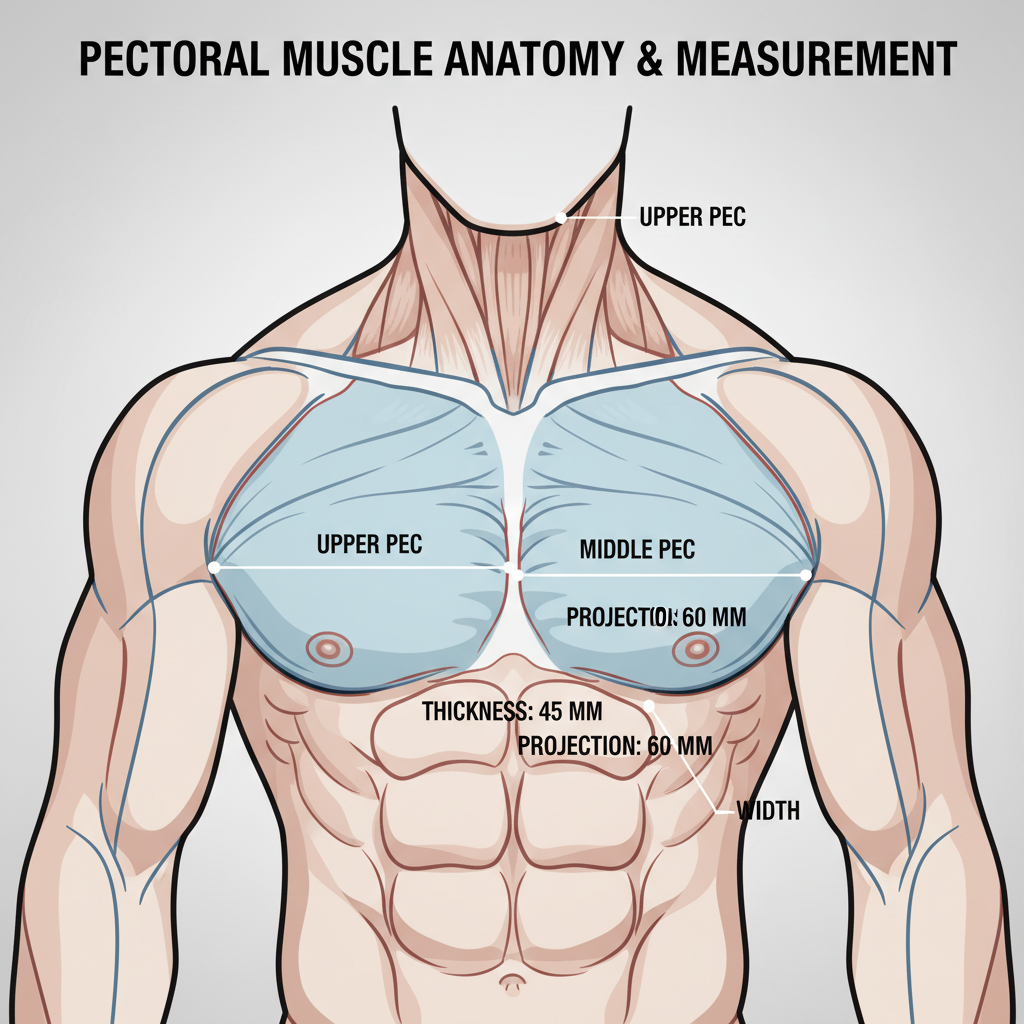
Chest Development Benchmarks: Beyond Just Bench Press Numbers
Most guys obsess over their bench press numbers while their chest looks flat as a board. I learned this the hard way after hitting a 315 bench but looking like I had pecs drawn on with a Sharpie.
The real benchmarks aren't weight-based—they're visual. Your chest should create a clear shelf when viewed from the side. From the front, there should be a visible separation between upper and lower pecs, not just one blob of muscle.
I've found that guys who can do 20+ quality push-ups with a 2-second pause at the bottom usually have better chest development than heavy benchers who bounce weight off their ribcage. Incline work matters more than most realize—if your upper chest is weak, your entire torso looks droopy.
Stop chasing numbers. Start chasing shape, thickness, and that satisfying shadow line underneath your pecs.
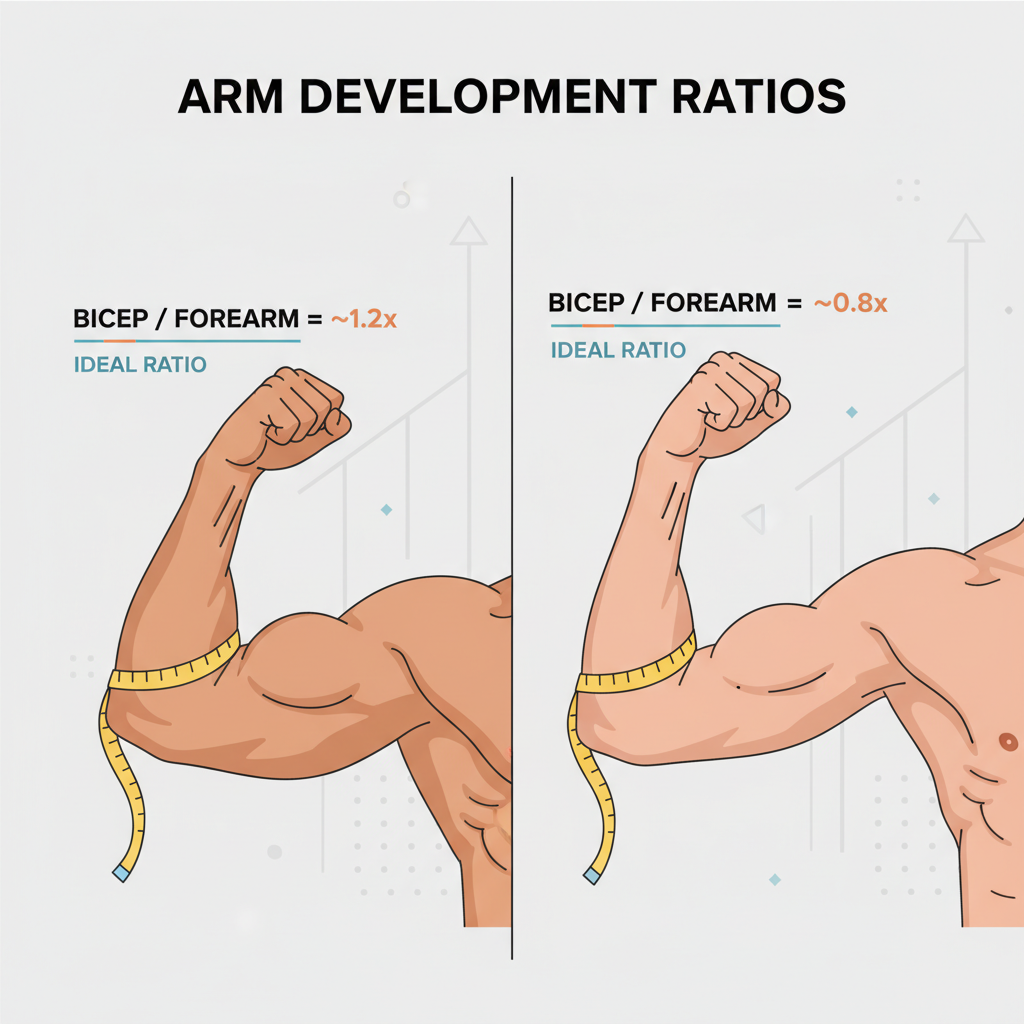
Arm Circumference Formulas That Prevent the 'Chicken Wing' Look
I learned this lesson the hard way after years of mediocre arm development. The golden ratio I've found works: your flexed bicep should measure at least 45-50% of your chest circumference. So if you've got a 40-inch chest, you need 18-20 inch arms minimum to avoid that scrawny look.
But here's what most guys miss - your forearms matter just as much. I target forearms at 75-80% of my upper arm measurement. Anything less and you get that weird balloon-on-a-stick effect that screams "I only do curls."
The sweet spot I've hit after years of trial: 42-inch chest, 19-inch arms, 15-inch forearms. Proportional, balanced, and nobody's calling them chicken wings anymore.
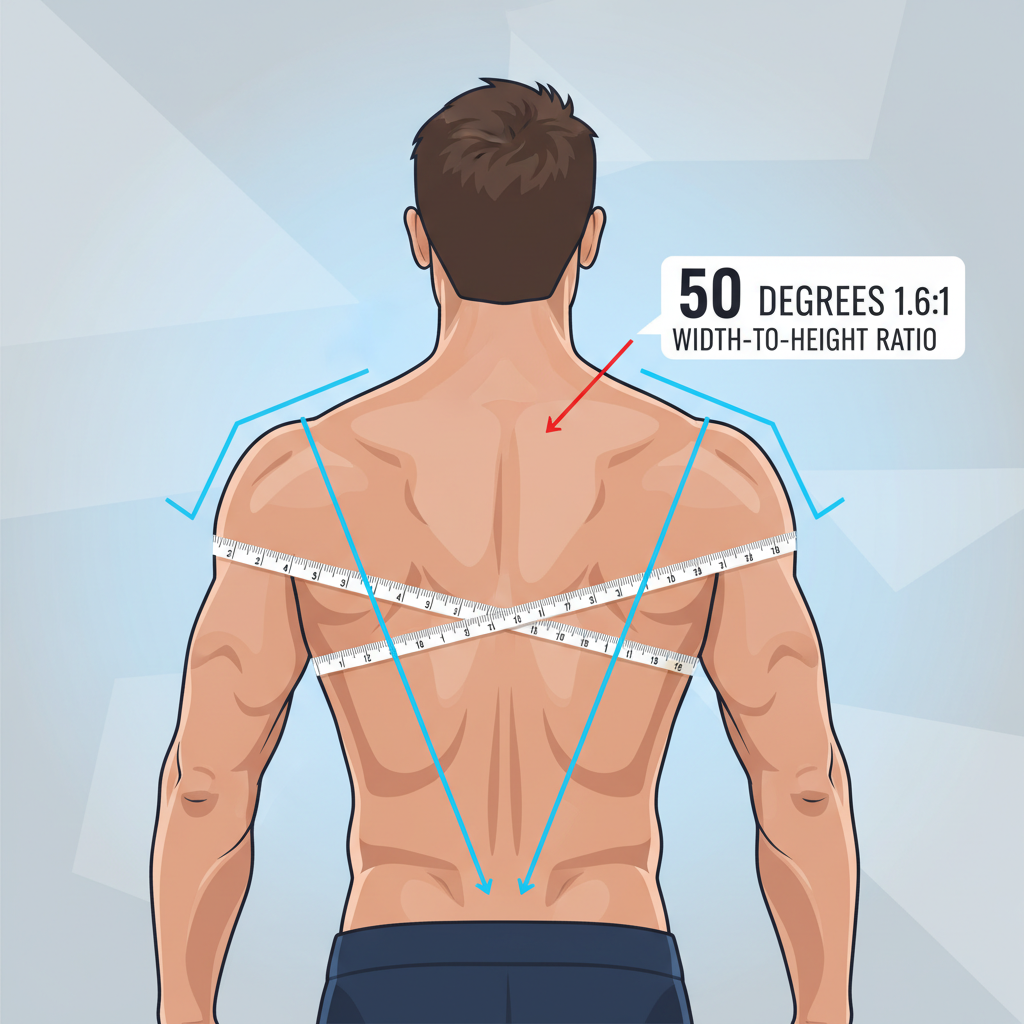
Back Width Calculations: Creating the Coveted V-Taper Without Overdoing It
• The sweet spot I've found: Your lat spread should create roughly a 1.6:1 ratio from shoulder to waist when viewed from behind. Any wider and you start looking like a flying squirrel.
• Lats vs. waist math: If your waist is 32 inches, aim for about 51-52 inches across your lats at full spread. I've seen guys push this to 1.8:1 and honestly, it just looks cartoonish.
• Real width comes from thickness, not just spread. A 48-inch lat spread with 2 inches of thickness beats a 54-inch spread that's paper thin every time.
• The mirror test: Stand sideways and flex your lats. If they extend past your front delts when viewed from the side, you've probably overdone it.
• Focus on the middle trap/rhomboid area first – this creates the foundation that makes your lats actually pop instead of just hanging there like curtains.
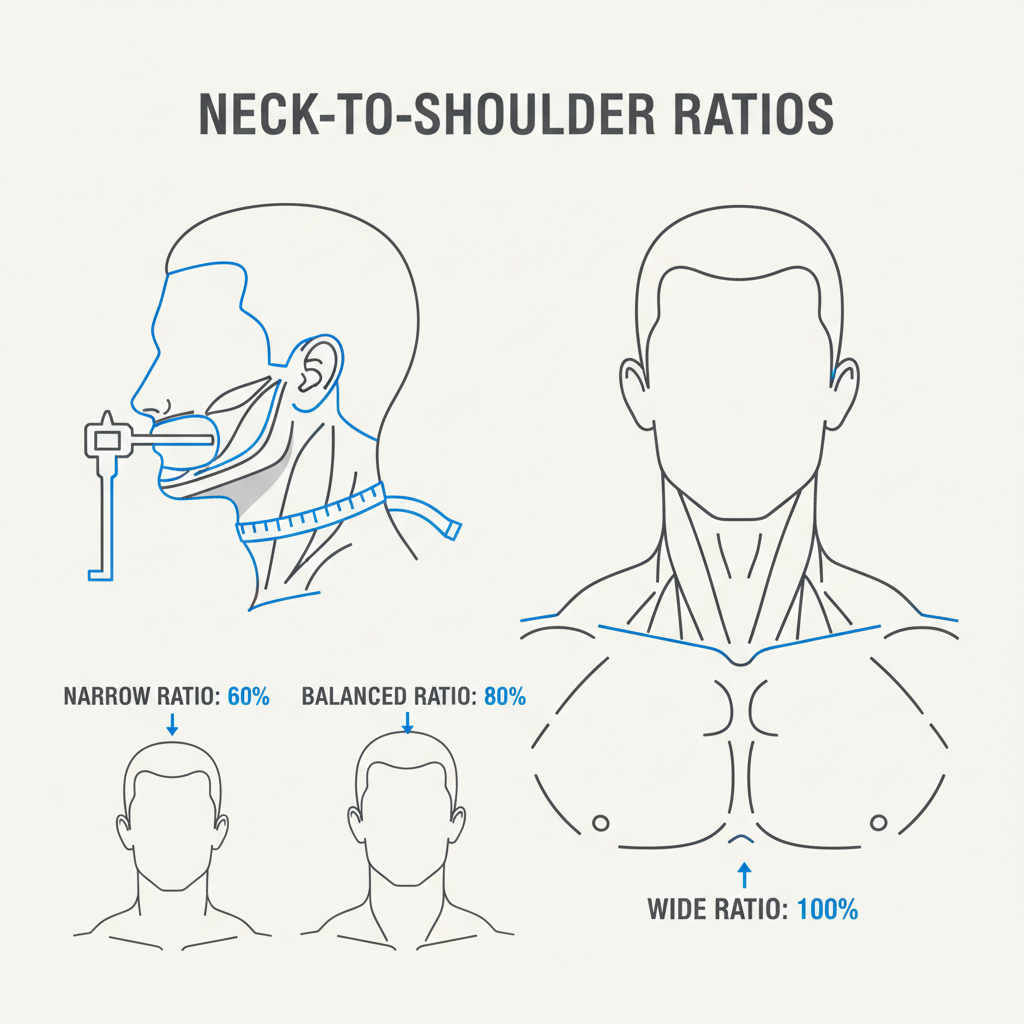
Neck and Trap Proportions: The Subtle Details That Separate Amateurs from Pros
I've noticed most guys completely ignore their necks until they see themselves in photos next to someone who actually trains theirs. Your neck should roughly match your arm circumference – mine's about 17 inches, same as my flexed bicep.
The trap slope matters more than size though. I see dudes with overdeveloped upper traps who look like they're permanently shrugging. You want that gradual slope from neck to shoulder, not a mountain peak. Heavy farmers walks and face pulls built mine better than any shrug ever did. The proportions make you look powerful without looking awkward.
Common Questions Answered
How do I know if my shoulders are wide enough compared to my waist?
From what I've seen working with guys over the years, you want roughly a 1.6:1 shoulder-to-waist ratio - basically your shoulders should be about 60% wider than your waist measurement. I measure shoulders at the widest point (usually mid-delt) and waist at the narrowest point, and honestly most guys are surprised how much wider their shoulders need to be than they think.
Should I focus on building my chest or shoulders first if I'm just starting out?
I'd go shoulders first, especially if you're a beginner - they create that wide frame that makes everything else look better proportionally. A guy with decent delts and a small chest looks way more impressive than someone with a big chest but narrow shoulders, plus shoulder development takes longer so you might as well get started early.
My business requires me to wear suits daily - which upper body muscles matter most for looking good in professional clothes?
Honestly, it's all about your shoulder width and upper back thickness when you're in a suit jacket. I've noticed that lats and rear delts make the biggest difference because they fill out the jacket properly and create that V-taper that looks powerful in business settings - chest development barely shows through a dress shirt anyway.
The Real Talk
Here's my take - you can spend another year obsessing over the "perfect" ratios, or you can start building what you've got right now. Every day you wait analyzing ideal proportions is another day someone else is actually getting jacked. Math won't build your chest.


