


Canthal Tilt Guide: How to Determine if You Have Positive, Neutral, or Negative Canthal Tilt
AscendMax is the #1 face rating & looksmaxxing app. Join 100,000+ others on a mission to become the best version of themselves.


"I never realized why some people's eyes looked so naturally striking until I learned about canthal tilt," Sarah told me after finally understanding what made her feel self-conscious in photos. I've been there too – staring at my reflection, sensing something was different but not knowing what. The angle where your upper and lower eyelids meet creates your canthal tilt, and honestly, figuring out yours can be pretty eye-opening about facial harmony.
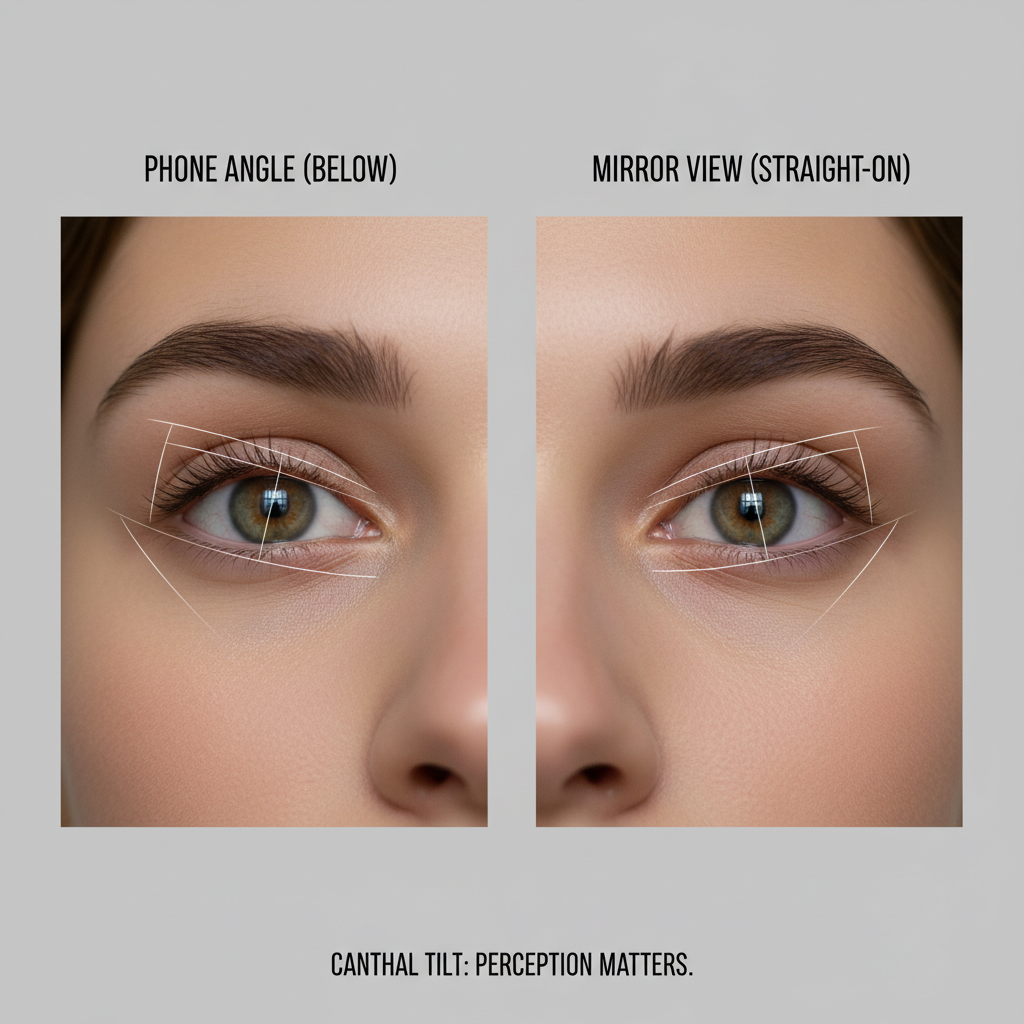
Mirror Angle Matters: Why Your Phone Camera Lies About Your Eye Shape
I spent months thinking I had negative canthal tilt until I realized my phone was playing tricks on me. Front-facing cameras are positioned below your face, which tilts your entire eye area downward in the frame. It's like looking up at someone from below - everything slopes down unnaturally.
What actually works: Use a mirror at eye level, not your phone. I prop my bathroom mirror straight up and look directly into it. The difference is dramatic. Phone cameras also distort the outer corners because of the wide-angle lens effect, making everything look more droopy than reality.
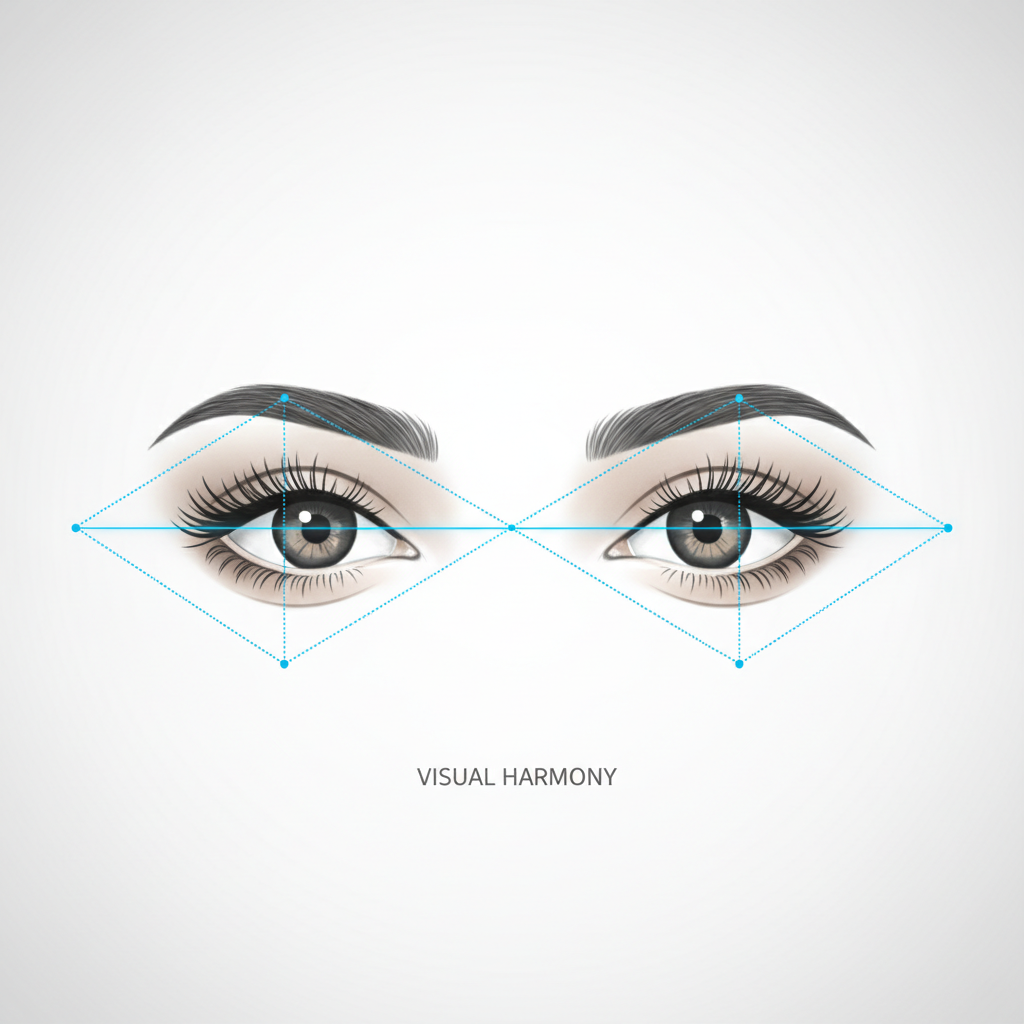
Find Your Baseline: Using the Invisible Line Between Your Inner Eye Corners
I've found the most reliable starting point is drawing an imaginary horizontal line connecting your inner eye corners - this becomes your reference point for everything else.
Here's what I do: Look straight ahead in a mirror with good lighting. Mentally draw that line between where your eyes meet your nose bridge. This invisible baseline stays consistent regardless of head position or facial expressions, which makes it perfect for accurate measurements.
The key insight I learned - your outer corners either sit above, on, or below this line. That's literally it. Everything else builds from this simple reference point.
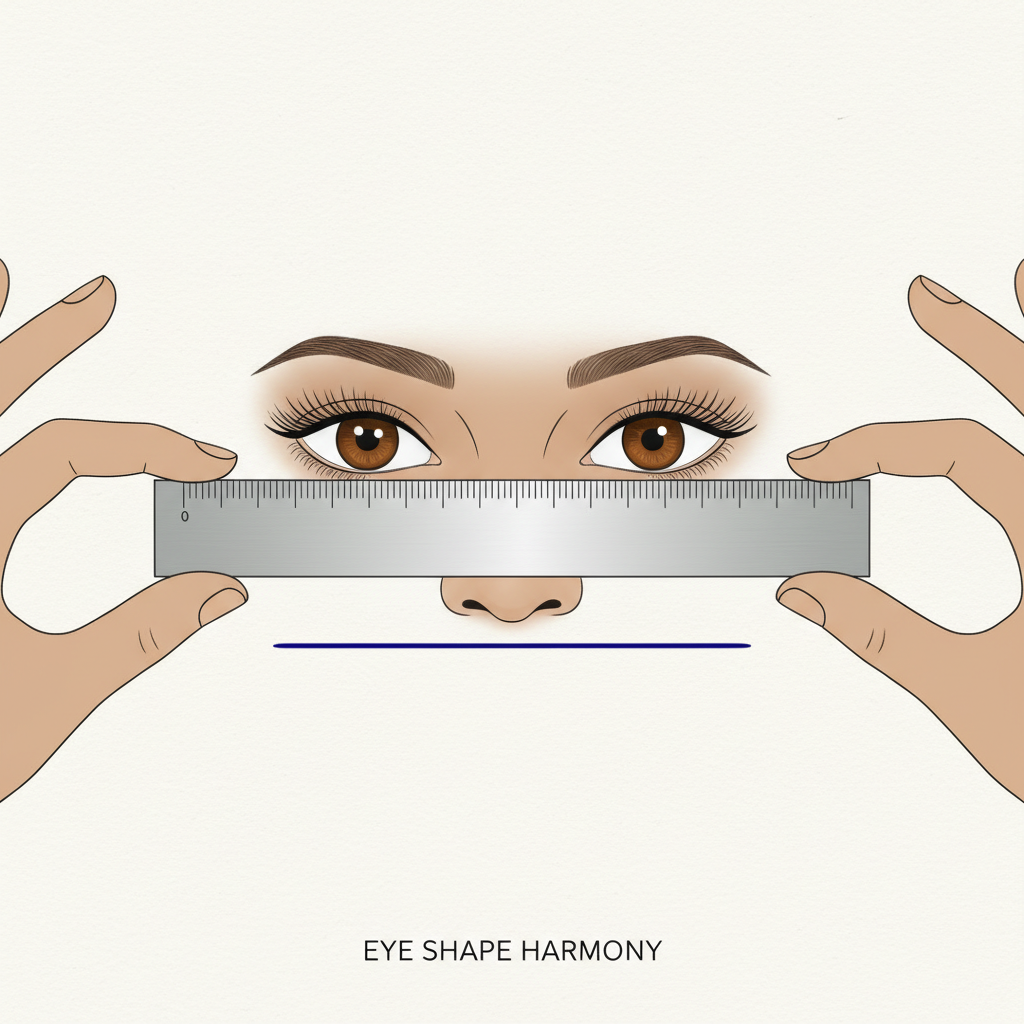
Degree Detective: Measuring Your Actual Tilt Without Apps or Tools
I've spent way too much time staring at my reflection trying to nail down my exact canthal tilt. Here's what actually works: Hold a business card or credit card horizontally against your outer corner, then judge the angle against your inner corner. Most people have between 2-8 degrees of tilt either way.
The mirror trick I use most? Stand arm's length away and look straight ahead. Draw an imaginary line from inner to outer corner. If the outer corner sits noticeably higher, you're probably looking at 4+ degrees positive. Level or slightly down means neutral to mildly negative. The key is consistent lighting—bathroom mirrors with side lighting give the most accurate read.
What People Ask
Does canthal tilt actually matter for attractiveness or is it just internet nonsense?
From what I've observed, it's somewhere in between - canthal tilt does contribute to how people perceive your eyes, but the internet has blown it way out of proportion. I'd say it's one small piece of overall facial harmony, not some make-or-break feature that determines your entire look.
Is it worth getting surgery to fix a negative canthal tilt?
Honestly, I wouldn't rush into surgery for this unless it's really bothering you and you've exhausted other options like makeup techniques. The procedures can be risky, expensive, and sometimes create an unnatural look - I've seen people end up with that "pulled" appearance that screams surgery.
Can you actually change your canthal tilt without surgery, or are those exercises just wishful thinking?
The exercises and massage techniques people talk about online are pretty much wishful thinking - you can't reshape bone structure or significantly tighten ligaments that way. Your best bet for non-surgical improvement is learning good makeup techniques or considering non-invasive treatments, but even those have limited impact compared to what surgery can achieve.
My Honest Take
Here's what I'd do: grab your phone right now and take a straight-on selfie with good lighting. Draw those imaginary lines I mentioned and see where you land. Don't overthink it—most people fall somewhere in the neutral range anyway, and that's totally normal. Your eyes are uniquely yours.


