


Lookism in Professional Settings: How Appearance Affects Career Success
AscendMax is the #1 face rating & looksmaxxing app. Join 100,000+ others on a mission to become the best version of themselves.


I predict that within the next decade, we'll see the first major discrimination lawsuits specifically targeting "lookism" in hiring practices. And honestly? It's about time. I've watched too many brilliant colleagues get overlooked while less qualified but more conventionally attractive candidates sailed through interviews. The uncomfortable truth is that your appearance can make or break your career trajectory, often in ways so subtle that even HR doesn't realize it's happening. We need to talk about this.
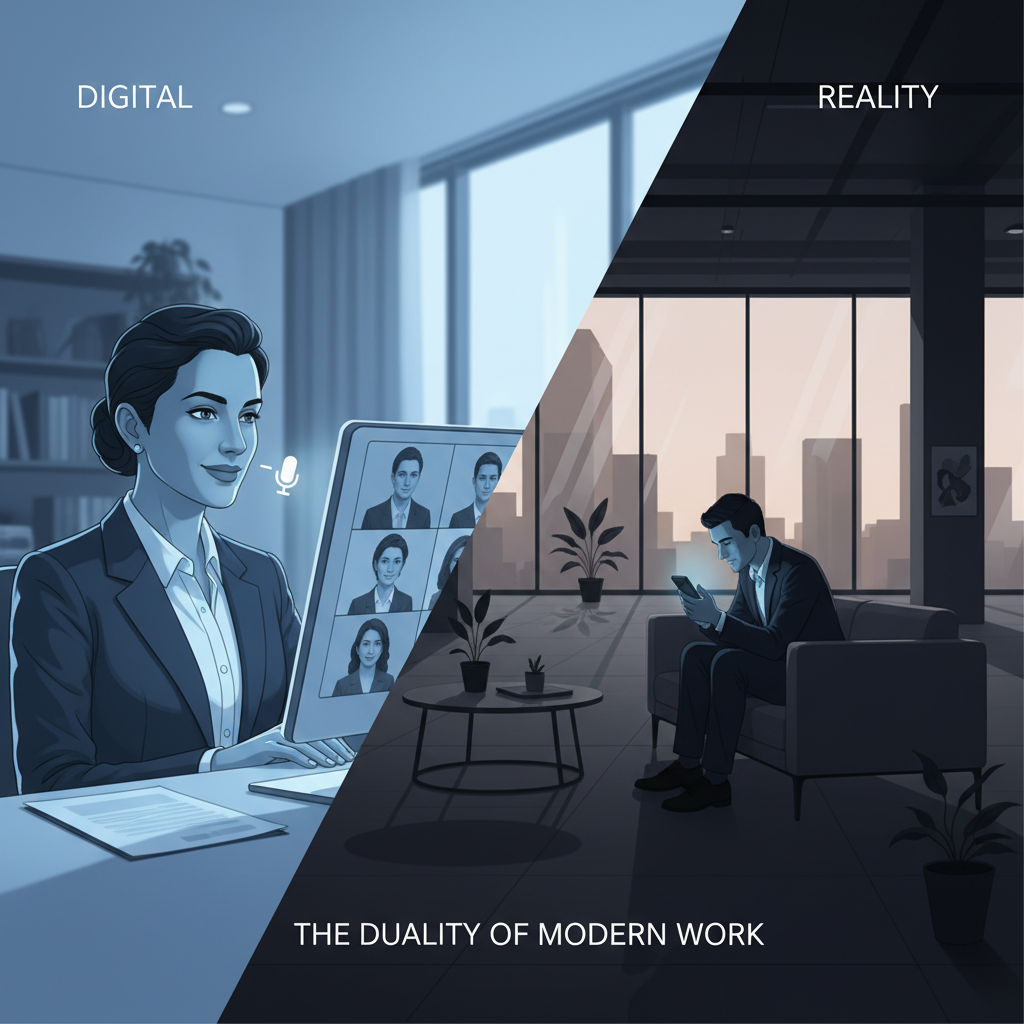
When Your Resume Gets You the Interview But Your Face Doesn't Get You the Job
I watched my friend Sarah nail every technical question during her software engineering interview, only to get a rejection email two days later. The feedback? "Not quite the right cultural fit." Meanwhile, a less qualified candidate who looked like he belonged in their startup's marketing photos got the offer.
Here's what I've learned works: Show up as the most polished version of yourself possible. Invest in clothes that fit properly, get a good haircut, and practice confident body language. It's not about changing who you are—it's about presenting yourself in a way that doesn't give unconscious bias a foothold. Your skills got you in the room; your presence seals the deal.
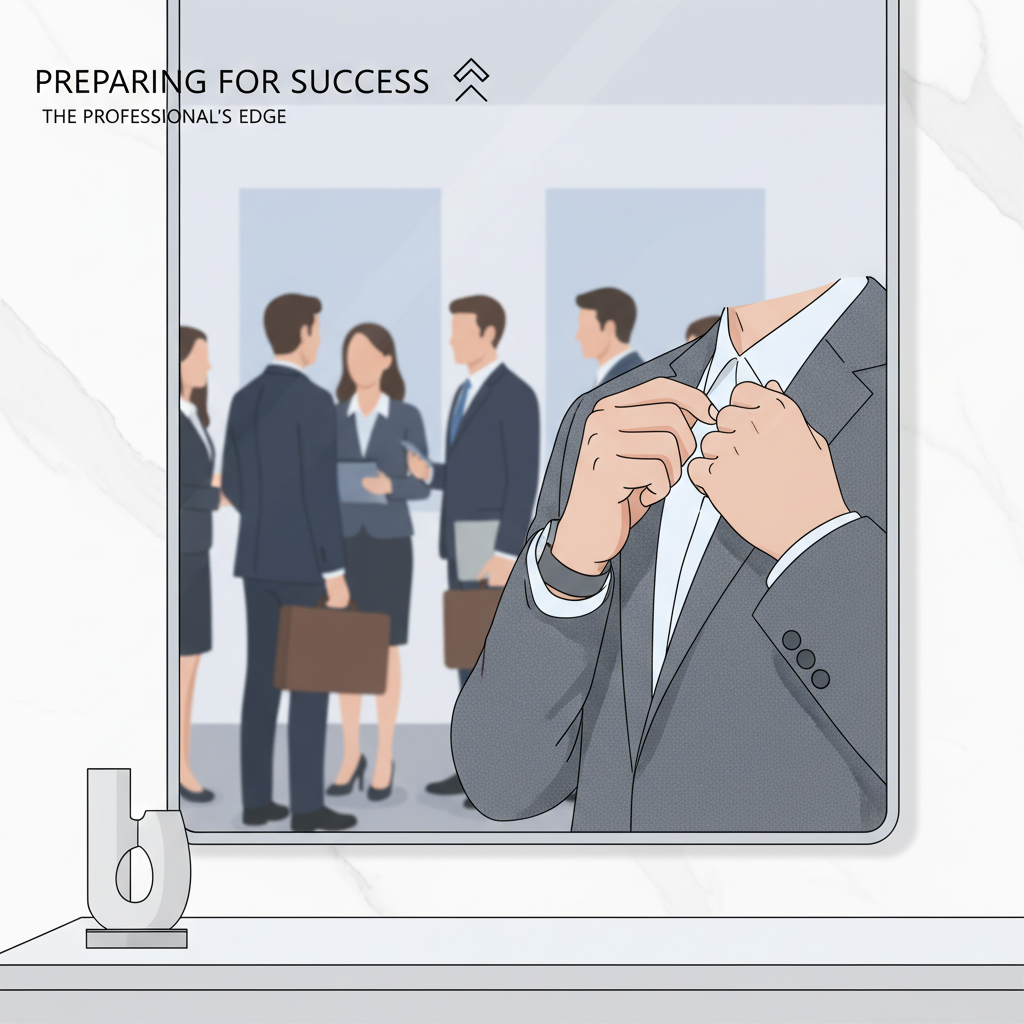
Dressing the Part vs. Playing the Part: What I Learned From Five Years of Office Politics
I used to think expensive suits would solve everything. Spent my first bonus on designer blazers, thinking I'd finally "look the part."
What actually moved the needle:
- Speaking up in meetings (even when my voice shook)
- Taking credit for my work instead of deflecting
- Learning to disagree without apologizing first
The clothes helped with confidence, sure. But I've watched plenty of well-dressed people get overlooked while scrappy colleagues who spoke their minds got promoted.
My biggest revelation: The "executive presence" everyone talks about isn't about looking perfect. It's about acting like you belong there, even when you don't feel it yet.
Looking good opens doors. But you still have to walk through them.
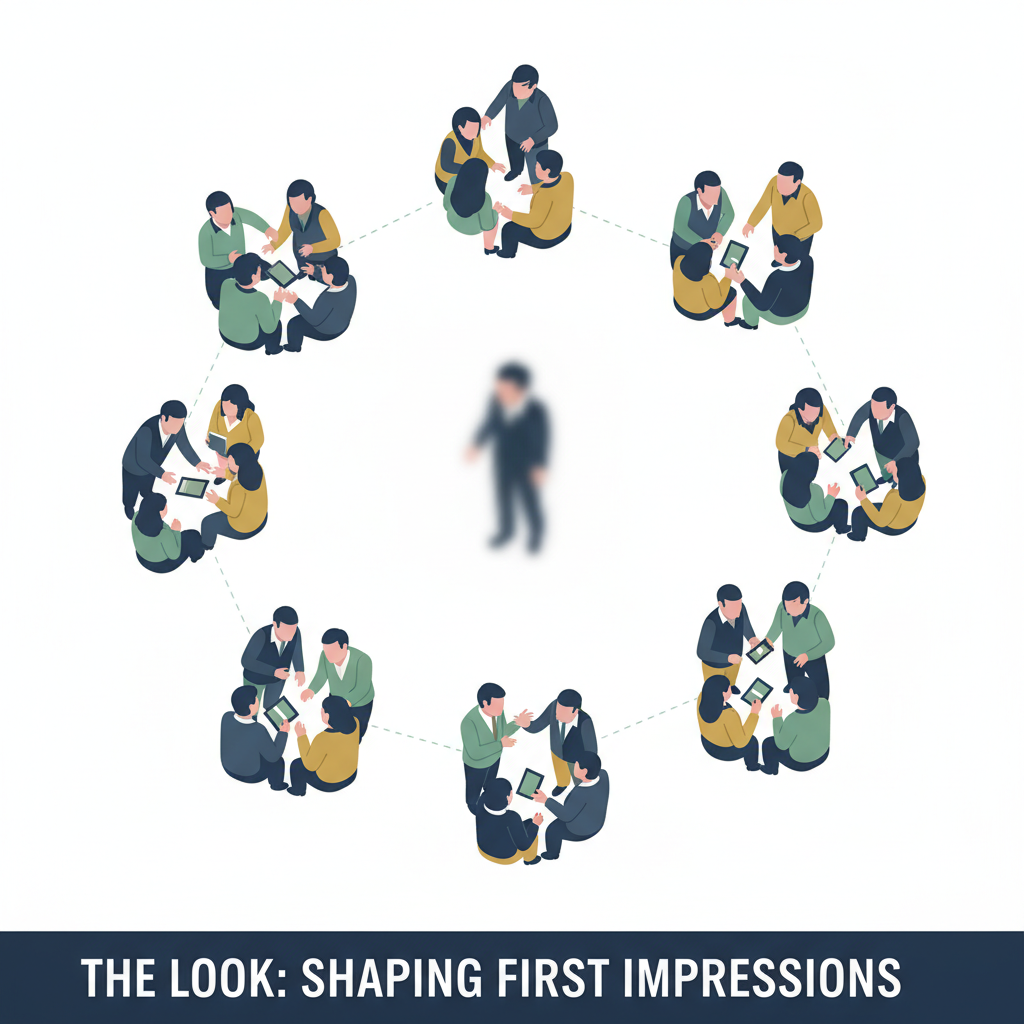
Your Network Sees You Before They Know You: Making First Impressions Stick
I've watched countless talented people get overlooked because they didn't understand this simple truth: your appearance speaks before you do. When I walk into a networking event, I notice how the sharp-dressed person gets approached first, while equally qualified but poorly dressed professionals stand alone by the appetizer table.
Your appearance creates assumptions about your competence, attention to detail, and success level. I learned this the hard way early in my career - showing up underdressed to a client meeting where everyone else wore tailored suits. The energy in that room shifted immediately, and it took months to rebuild credibility.
Your Questions, Answered
How do I know if my appearance is holding me back at work?
From what I've seen, you'll notice patterns - getting passed over for client-facing roles, fewer invitations to important meetings, or colleagues with similar qualifications advancing faster. I'd also pay attention to subtle feedback like being told you need to "polish your image" or comments about "executive presence" without specifics.
When should I invest in upgrading my professional appearance?
I'd prioritize it right before job hunting, when you're up for a promotion, or if you're moving into leadership roles where you'll represent the company externally. The biggest impact I've noticed is during those first 90 days in a new role - that's when people form lasting impressions that stick for years.
The Mirror Test
Here's what I'd do right now: look at your LinkedIn profile photo and ask yourself if it truly represents your professional best. If you're cringing even slightly, update it today. It takes five minutes but could shift how people perceive your capabilities for years. Sometimes playing the game is worth it.
